History, Techniques, Ingredients and Recipes
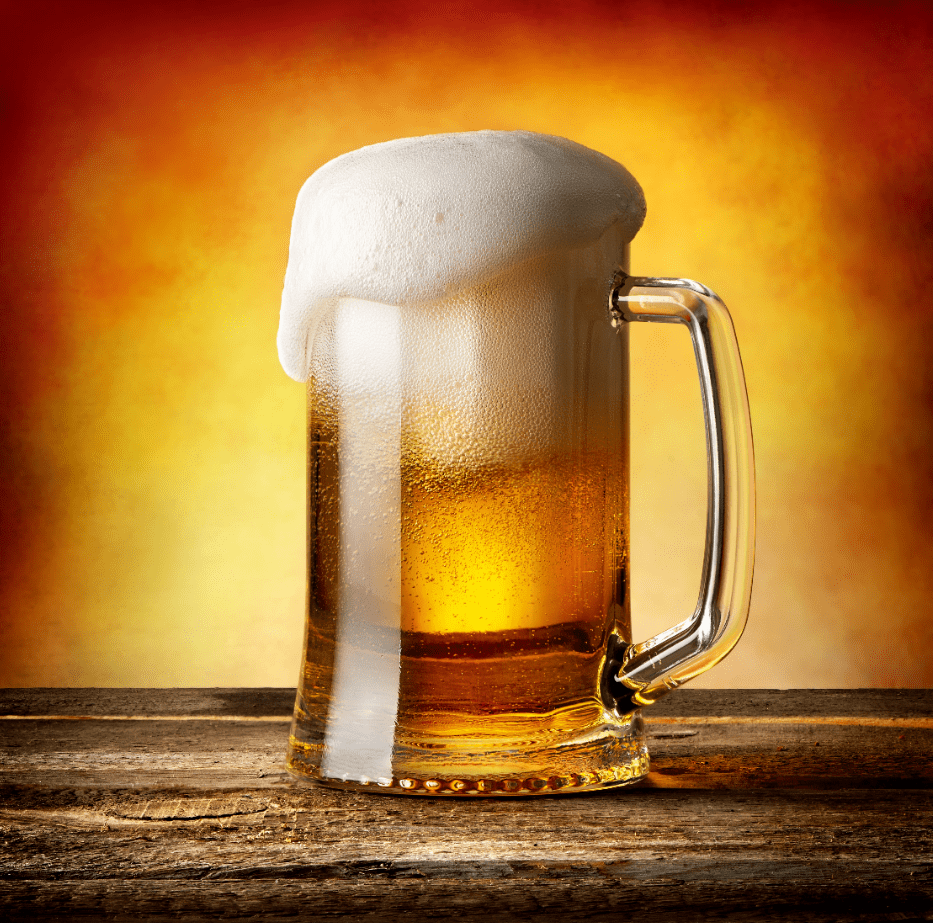
A frothy white head, crystal clear pale yellow in color and a small army of bubbles cascading up the glass that invites you to take a first sip. A well made American pilsner can be the perfect beer to quench your thirst. Clean and crisp in taste, these beers keep you coming back for more.
American pilsner is a fairly wide category, it is not as focused nor as defined as German or Czech pilsner. It has also changed a lot over time, particularly around prohibition and the great depression. It includes the very light tasting present-day macro lagers that calls themselves pilsner, as well as the pre-prohibition style which is usually a fuller bodied and more bitter style. The ABV can vary and be lower or higher than the German examples, and the use of adjuncts (corn, and sometimes rice), which is entirely absent in the German or Czech versions, is commonplace in the American versions. And while you almost always see all-German ingredients in German pilsners, and all-Czech ingredients in Czech pilsners, the American pilsners often use ingredients from other countries like Mexico or Germany, in addition to domestic ingredients.
History
Early American pilsner beer was influenced heavily by German immigrants traveling to the US and bringing their techniques with. Early American pilsners were likely very similar to German pilsners. Over time, many American pilsners became closer to what you see in the macro lagers of today: lighter, lower hopped beers that are designed to appeal to a wider, more casual audience. Further influence can be seen from around the time of prohibition, when alcohol was banned and the focus was more about supplying a large amount of alcohol to as many people as easily as possible. There was also a shift around the Great Depression, when grain prices jumped and adjuncts, especially corn, became more attractive. Adjuncts like rice and corn further lightened these beers and separated them from their European counterparts. These influences can still be seen today in the many macro-lagers that bill themselves as pilsner and they have a lot of overlap in the American Light Lager style. But homebrewers and some smaller, high quality breweries alike are helping bring back quality American pilsner, made with high quality ingredients and filled with flavor, to rival the best European versions.
Ingredients and Techniques
Corn is a common ingredient in these beers, it was often used historically and was (and still is) a very affordable adjunct to add to a beer. You'll see below that both Dan and Scott used corn in their recipes. It is more fermentable than malted barley, so it'll help further attenuate and dry the beer out, though the corn contributes a sweetness that will partially offset that dryness and will provide a unique flavor addition to the beer.
You'll also see rice is used as well. Like corn, rice is more fermentable than malted barley and will help dry out the beer, but with far less of a flavor contribution than corn. Most brewers that use rice in their American lagers are using typical white rice and are looking for very clean results. Less common, but worth looking at, is adding heirloom and other artisanal varieties of rice. Red rice, black rice, etc. You can find plenty of different types of rice at specialty grocery shops and online boutique food stores. Depending on what variety you choose, you might end up with nutty or floral notes in the final beer.
You can also approach an American pilsner from an all-malt perspective. This is my typical approach. With a good clean, well attenuated yeast, I find that my final beer will be dry enough and I really value the full body and mouthfeel that I can get from using all-grain in the grist and step mashing. American pilsner malt, 2 row or 6 row are all fair game here. Dashes of munich, vienna or even victory are not unheard of, they can lend a bit of maltiness to balance the more aggressively bittered versions of this style.
For hopping these beers, you're looking more for earthy, floral, grassy and/or spicy contributions in flavor and aroma. You usually want to avoid citrus flavor forward hops. I like to look at hop varieties that are based on the noble hops of Germany. Mt Hood and Crystal (lineage from Hallertau Mittelfruh) are two American hops that are remarkably similar to some of the German noble hops. Other options include Hallertau, Tettnanger and Saaz varieties grown in the US, which will be similar, but distinctly different from their European cousins. Other low alpha acid varieties such as Willamette (derived from Fuggles), will lend a woody spice, Vanguard has some herbal spice and Liberty contributes light spice and floral notes. Sterling is another great selection for these beers too. German noble hops are often used as well, and unlike many country-specific styles, non American ingredients are perfectly acceptable and were widely used at times in American pilsner beers.
Single infusion or step mashes are common. I personally prefer the latter in my lager beers, it results in a slightly fuller body and mouthfeel with more, longer lasting foam, but you can have excellent results either way.
For yeast, you're looking at clean lager yeast. Mexican lager strains or German lager strains are the standard here. You want a clean fermentation from the beer and a high final attenuation. Similar to Northern German pilsners, that dry, crisp finish is a classic telltale sign of the style.
There are many different techniques for fermenting these beers. You can go low and slow, starting in the 40F-50F range (dependent on your strain) and hold until fermentation is complete, usually 2-3 weeks. Then lower it for cold lagering near freezing for another 3-6 weeks. It's also very popular to begin in the low 50s and slowly raise the temperature as fermentation is ongoing, eventually raising the temperature into the 60s for a diacetyl rest. Then cold crashing and lagering for 1-3 more weeks. You can warm lager ferment these in the low 60s as well, many homebrewers have had great success, especially when fermenting under pressure (Dan Moore makes his American pilsner recipe below at 10 PSI near room temperature). These beers are usually kegged and well carbonated to 2.5-2.8 volumes.
Recipes
I met both Scott Jackson and Dan Moore through my local beer club, KROC, years ago. Scott is a tremendous homebewer who has won dozens of medals over the years and published several articles as well. Dan brewed professionally as the head brewer of Nighthawk Brewery and helped turn that brewery around as far as the beer quality goes. He's now producing beers at home and building a portfolio of primarily lager recipes, that he hopes to launch a lager-focused brewery with in the coming years. I've had a chance to taste his lagers, and they're fantastic. He's been experimenting with pressure fermentation at warmer temperatures and faster turnaround times and he's had excellent results.
Note: The recipe software had limited fermentation profile customization. Therefore, you'll see the recipe fermentation profile differs from the specifics of how the following authors ferment their beer. I added that fermentation information in the Notes section of each recipe.
Scott Jackson's Uncle Andrews American Pilsner
This beer is named after a story that Scott's grandfather would tell him about how they are related to Andrew Jackson. Scott says that they did live in the same area, so you never know! I've had this beer before and it's an excellent beer. It is bittered similar to a Northern German pilsner with a touch of hop flavor from the end of the boil contribution, but it uses American grains, as well as both flaked corn and cooked rice. The rice helps dry it out a bit, as does the corn, which also lends a distinct sweetness to the beer.
Scott also silver medaled with this beer at NHC in the Pilsner category.
BREW SHEET · BEERXML
Uncle Andrews Classic Pilsner
Pre-Prohibition Lager
Download BeerXML- Batch
- 6.00 gal
- OG
- 0.000
- FG
- 1.010
- ABV
- -75.8%
- IBU
- 36.6
- Boil
- 80 min
Fermentables
| Ingredient | Amount | Details |
|---|---|---|
| Pale Malt (6 Row) US | 7 lbs 8.0 oz | Grain |
| Corn, Flaked | 1 lbs | Grain |
| Munich I (Weyermann) | 1 lbs | Grain |
| Store Bought Cooked Rice | 1 lbs | Grain |
Hops
| Ingredient | Amount | Addition |
|---|---|---|
| Magnum | 1.00 oz | Boil · 75.0 min · 11.5% alpha acid |
| Mt. Hood | 1.00 oz | Boil · 2.0 min · 4.7% alpha acid |
Yeast
| Ingredient | Amount | Details |
|---|---|---|
| Mexican Lager | 35.49 ml | White Labs · WLP940 |
Mash schedule
- Protein Rest · 120.0 F · 5 min · 12.42 L infusion
- Saccharification · 158.0 F · 30 min · 0 L infusion
- Mash Out · 168.0 F · 10 min · 0 L infusion
- Beta Rest · 144.0 F · 30 min · 0 L infusion
Fermentation
- Primary: 14 days at 10 °C
- Secondary: 0 days at 16.7 °C
- Tertiary: 7 days
Brewer’s notes
Adjust your malt for your own brewhouse efficiency to hit 1.056 OG. Ferment at 50F for 2-3 weeks until fermentation is complete and final gravity has been reached. Then slowly lower it to 33F for 4-5 weeks of cold lagering. For the rice, Scott purchases regular long grain rice from the grocery store, cooks it then throws it in the mash. Scott mentions that he may leave the munich malt out during the next brew.
Full technical details
Original export fields, ingredient specifications, water, style and equipment.
Fermentables
Pale Malt (6 Row) US
- Name
- Pale Malt (6 Row) US
- Type
- Grain
- Amount (kg / L for liquids)
- 3.4019400
- Yield
- 76.0000000
- Color (SRM)
- 2.0000000
- Add after boil
- FALSE
- Origin
- US
- Notes
- Base malt for all beer styles
- Coarse fine diff
- 1.5000000
- Moisture
- 4.0000000
- Diastatic power
- 150.0000000
- Protein
- 13.0000000
- Max in batch
- 100.0000000
- Recommend mash
- TRUE
- Ibu gal per lb
- 0.0000000
- Display amount
- 7 lbs 8.0 oz
- Inventory
- 0.0 oz
- Potential
- 1.0349600
- Display color
- 2.0 SRM
- Extract substitute
- Pale Liquid Extract
Corn, Flaked
- Name
- Corn, Flaked
- Type
- Grain
- Amount (kg / L for liquids)
- 0.4535920
- Yield
- 80.0000000
- Color (SRM)
- 1.3000000
- Add after boil
- FALSE
- Origin
- US
- Notes
- Generally a neutral flavor, used to reduce maltiness of beer Produces beer with a milder, less malty flavor Uses: Primarily for light Bohemian and Pilsner lagers
- Coarse fine diff
- 1.5000000
- Moisture
- 9.0000000
- Diastatic power
- 0.0000000
- Protein
- 10.0000000
- Max in batch
- 40.0000000
- Recommend mash
- TRUE
- Ibu gal per lb
- 0.0000000
- Display amount
- 1 lbs
- Inventory
- 0.0 oz
- Potential
- 1.0368000
- Display color
- 1.3 SRM
- Extract substitute
- Sugar, Table (Sucrose)
Munich I (Weyermann)
- Name
- Munich I (Weyermann)
- Type
- Grain
- Amount (kg / L for liquids)
- 0.4535920
- Yield
- 82.2300000
- Color (SRM)
- 7.1000000
- Add after boil
- FALSE
- Origin
- Germany
- Supplier
- Weyermann
- Notes
- Light Munich malt. May be used as a base for many German beer styles. Fest beers, bocks, ales. Enhances malty flavour and aroma
- Coarse fine diff
- 1.5000000
- Moisture
- 3.3000000
- Diastatic power
- 50.0000000
- Protein
- 10.6000000
- Max in batch
- 100.0000000
- Recommend mash
- TRUE
- Ibu gal per lb
- 0.0000000
- Display amount
- 1 lbs
- Inventory
- 0.0 oz
- Potential
- 1.0378258
- Display color
- 7.1 SRM
- Extract substitute
- Amber Liquid Extract
Store Bought Cooked Rice
- Name
- Store Bought Cooked Rice
- Type
- Grain
- Amount (kg / L for liquids)
- 0.4535920
- Yield
- 70.0000000
- Color (SRM)
- 1.0000000
- Add after boil
- FALSE
- Origin
- US
- Notes
- Used to add fermentables without increasing body or flavor. Produces a milder, less grainy tasting beer. Examples: American lagers, Bohemian lagers, Pilsners
- Coarse fine diff
- 1.5000000
- Moisture
- 9.0000000
- Diastatic power
- 0.0000000
- Protein
- 10.0000000
- Max in batch
- 25.0000000
- Recommend mash
- TRUE
- Ibu gal per lb
- 0.0000000
- Display amount
- 1 lbs
- Inventory
- 0.0 oz
- Potential
- 1.0322000
- Display color
- 1.0 SRM
- Extract substitute
- Rice Extract Syrup
Hops
Magnum
- Name
- Magnum
- Origin
- U.S.
- Alpha acid (%)
- 11.5000000
- Amount (kg / L for liquids)
- 0.0283495
- Use
- Boil
- Time (min)
- 75.0000000
- Notes
- High-alpha hop with clean, neutral bitterness. Can be used in almost any recipe. Used for: Ale, Lager, Stout, hefeweizen, IPA, Bitter Aroma: No distinctive aroma characteristics Substitutions: German Magnum, CTZ, Nugget Storage: Excellent/Very good (80%-85% AA after 6 months at 20 C) 10-14% AA / 4.5-7% Beta
- Type
- Bittering
- Form
- Pellet
- Beta
- 5.2500000
- Hsi
- 15.0000000
- Display amount
- 1.00 oz
- Inventory
- 16.00 oz
- Display time
- 75.0 min
Mt. Hood
- Name
- Mt. Hood
- Origin
- U.S.
- Alpha acid (%)
- 4.7000000
- Amount (kg / L for liquids)
- 0.0283495
- Use
- Boil
- Time (min)
- 2.0000000
- Notes
- Used for: European Lagers, finishing Aroma: Mild with a clean aroma, neutral flavor. Somewhat pungent. Substitutes: Hallertauer, Liberty, Crystal
- Type
- Aroma
- Form
- Pellet
- Beta
- 6.3000000
- Hsi
- 40.0000000
- Display amount
- 1.00 oz
- Inventory
- 0.00 oz
- Display time
- 2.0 min
Yeast
Mexican Lager
- Name
- Mexican Lager
- Type
- Lager
- Form
- Liquid
- Amount (kg / L for liquids)
- 0.0354884
- Amount is weight
- FALSE
- Laboratory
- White Labs
- Product id
- WLP940
- Min temperature
- 10.0000000
- Max temperature
- 12.7777778
- Flocculation
- Medium
- Attenuation (%)
- 74.0000000
- Notes
- From Mexico City - produces a clean lager beer with a crisp finish. Good for mexican style beers.
- Best for
- Mexican style light and dark lagers.
- Max reuse
- 5
- Times cultured
- 0
- Add to secondary
- FALSE
- Display amount
- 35.49 ml
- Disp min temp
- 50.0 F
- Disp max temp
- 55.0 F
- Inventory
- 0.0 pkg
- Culture date
- 12 Jun 2003
Mash
- Name
- Temperature Mash, 2 Step, Medium Body
- Grain temp
- 22.2222222
- Tun temp
- 22.2222222
- Sparge temp
- 75.5555556
- Ph
- 5.4000000
- Tun weight
- 158.7200000
- Tun specific heat
- 0.1200000
- Equip adjust
- FALSE
- Notes
- Two step profile with a protein rest for mashes with unmodified grains or adjuncts. Temperature mash for use when mashing in a brew pot over a heat source such as the stove. Use heat to maintain desired temperature during the mash.
- Display grain temp
- 72.0 F
- Display tun temp
- 72.0 F
- Display sparge temp
- 168.0 F
- Display tun weight
- 9 lbs 14.7 oz
Protein Rest
- Name
- Protein Rest
- Type
- Infusion
- Infusion water (L)
- 12.4209540
- Step time (min)
- 5.0000000
- Step temperature (°C)
- 48.8888889
- Ramp time
- 2.0000000
- End temp
- 48.8888889
- Description
- Add 13.13 qt of water at 127.0 F
- Water grain ratio
- 1.250 qt/lb
- Decoction amt
- 0.00 qt
- Infuse temp
- 127.0 F
- Display step temp
- 120.0 F
- Display infuse amt
- 13.13 qt
Saccharification
- Name
- Saccharification
- Type
- Temperature
- Infusion water (L)
- 0.0000000
- Step time (min)
- 30.0000000
- Step temperature (°C)
- 70.0000000
- Ramp time
- 15.0000000
- End temp
- 70.0000000
- Description
- Heat to 158.0 F over 15 min
- Water grain ratio
- 1.250 qt/lb
- Decoction amt
- 0.00 qt
- Infuse temp
- 158.0 F
- Display step temp
- 158.0 F
- Display infuse amt
- 0.00 qt
Mash Out
- Name
- Mash Out
- Type
- Temperature
- Infusion water (L)
- 0.0000000
- Step time (min)
- 10.0000000
- Step temperature (°C)
- 75.5555556
- Ramp time
- 10.0000000
- End temp
- 75.5555556
- Description
- Heat to 168.0 F over 10 min
- Water grain ratio
- 1.250 qt/lb
- Decoction amt
- 0.00 qt
- Infuse temp
- 182.0 F
- Display step temp
- 168.0 F
- Display infuse amt
- 0.00 qt
Beta Rest
- Name
- Beta Rest
- Type
- Temperature
- Infusion water (L)
- 0.0000000
- Step time (min)
- 30.0000000
- Step temperature (°C)
- 62.2222222
- Ramp time
- 4.0000000
- End temp
- 62.2222222
- Description
- Heat to 144.0 F over 4 min
- Water grain ratio
- 1.250 qt/lb
- Decoction amt
- 0.00 qt
- Infuse temp
- 144.0 F
- Display step temp
- 144.0 F
- Display infuse amt
- 0.00 qt
Recipe details & fermentation
- Name
- Uncle Andrews Classic Pilsner
- Type
- All Grain
- Batch size (L)
- 22.7126016
- Boil size (L)
- 33.4316877
- Boil time (min)
- 80.0000000
- Efficiency (%)
- 90.0000000
- Notes
- Adjust your malt for your own brewhouse efficiency to hit 1.056 OG. Ferment at 50F for 2-3 weeks until fermentation is complete and final gravity has been reached. Then slowly lower it to 33F for 4-5 weeks of cold lagering. For the rice, Scott purchases regular long grain rice from the grocery store, cooks it then throws it in the mash. Scott mentions that he may leave the munich malt out during the next brew.
- Taste rating
- 30.0000000
- Original gravity
- 0.0000000
- Final gravity
- 1.0100000
- Carbonation
- 2.8000000
- Fermentation stages
- 2
- Primary duration (days)
- 14.0000000
- Primary temperature (°C)
- 10.0000000
- Secondary duration (days)
- 0.0000000
- Secondary temperature (°C)
- 16.6666667
- Tertiary duration (days)
- 7.0000000
- Conditioning duration (days)
- 30.0000000
- Conditioning temperature (°C)
- 1.1111111
- Carbonation used
- Keg with 18.39 PSI
- Forced carbonation
- FALSE
- Priming sugar name
- Forced Carbonation
- Priming sugar equiv
- 1.0000000
- Keg priming factor
- 0.5000000
- Carbonation temp
- 7.2222222
- Display carb temp
- 45.0 F
- Date
- 05 Apr 2021
- Est og
- 1.055 SG
- Est fg
- 1.018 SG
- Est color
- 3.6 SRM
- IBU
- 36.6 IBUs
- Ibu method
- Tinseth
- Est abv
- 5.0 %
- ABV (%)
- -75.8 %
- Actual efficiency
- 75.0 %
- Calories
- 34.4 kcal/12oz
- Display batch size
- 6.00 gal
- Display boil size
- 8.83 gal
- Display og
- 0.000 SG
- Display fg
- 1.010 SG
- Display primary temp
- 50.0 F
- Display secondary temp
- 62.0 F
- Display tertiary temp
- 65.0 F
- Display age temp
- 34.0 F
Style details
- Name
- Pre-Prohibition Lager
- Category
- Historical Beer
- Category number
- 27
- Style guide
- BJCP 2015
- Type
- Lager
- Og min
- 1.0440000
- Og max
- 1.0600000
- Fg min
- 1.0100000
- Fg max
- 1.0150000
- Ibu min
- 25.0000000
- Ibu max
- 40.0000000
- Color min
- 3.0000000
- Color max
- 6.0000000
- Carb min
- 2.4000000
- Carb max
- 3.0000000
- Abv max
- 6.0000000
- Abv min
- 4.5000000
- Notes
- A clean, refreshing, but bitter pale lager, often showcasing a grainy-sweet corn flavor. All malt or rice-based versions have a crisper, more neutral character. The higher bitterness level is the largest differentiator between this style and most modern mass-market pale lagers, but the more robust flavor profile also sets it apart. History: A version of Pilsner brewed in the USA by immigrant German brewers who brought the process and yeast with them, but who had to adapt their recipes to work with native hops and malt. This style died out after Prohibition but was resurrected by homebrewers in the 1990s. Few commercial versions are made, so the style still remains mostly a homebrew phenomenon. Style Comparison: Similar balance and bitterness as modern Czech Premium Pale Lagers, but exhibiting native American grains and hops from the era before US Prohibition. More robust, bitter, and flavorful than modern American pale lagers, and often with higher alcohol.
- Profile
- Aroma: Low to medium grainy, corn-like or sweet maltiness may be evident (although rice-based beers are more neutral). Medium to moderately high hop aroma, with a range of character from rustic to floral to herbal/spicy; a fruity or citrusy modern hop character is inappropriate. Clean lager character. Low DMS is acceptable. May show some yeast character, as with modern American lagers; allow for a range of subtle supporting yeast notes. Appearance: Yellow to deep gold color. Substantial, long lasting white head. Bright clarity. Flavor: Medium to medium-high maltiness with a grainy flavor, and optionally a corn-like roundness and impression of sweetness. Substantial hop bitterness stands up to the malt and lingers through the dry finish. All malt and rice-based versions are often crisper, drier, and generally lack corn-like flavors. Medium to high hop flavor, with a rustic, floral, or herbal/spicy character. Medium to high hop bitterness, which should neither be overly coarse nor have a harsh aftertaste. Allow for a range of lager yeast character, as with modern American lagers, but generally fairly neutral. Mouthfeel: Medium body with a moderately rich, creamy mouthfeel. Smooth and well-lagered. Medium to high carbonation levels. Comments: The classic American Pilsner was brewed both pre-Prohibition and post-Prohibition with some differences. OGs of 1.050–1.060 would have been appropriate for pre-Prohibition beers while gravities dropped to 1.044–1.048 after Prohibition. Corresponding IBUs dropped from a pre-Prohibition level of 30–40 to 25–30 after Prohibition.
- Ingredients
- Six-row barley with 20% to 30% flaked maize (corn) or rice to dilute the excessive protein levels; modern versions may be all malt. Native American hops such as Clusters, traditional continental hops, or modern noble-type crosses are also appropriate. Modern American hops such as Cascade are inappropriate. Water with a high mineral content can lead to an unpleasant coarseness in flavor and harshness in aftertaste. A wide range of lager yeast character can be exhibited, although modern versions tend to be fairly clean.
- Examples
- Anchor California Lager, Coors Batch 19, Little Harpeth Chicken Scratch
- Display og min
- 1.044 SG
- Display og max
- 1.060 SG
- Display fg min
- 1.010 SG
- Display fg max
- 1.015 SG
- Display color min
- 3.0 SRM
- Display color max
- 6.0 SRM
- Og range
- 1.044-1.060 SG
- Fg range
- 1.010-1.015 SG
- Ibu range
- 25.0-40.0 IBUs
- Carb range
- 2.40-3.00 Vols
- Color range
- 3.0-6.0 SRM
- Abv range
- 4.50-6.00 %
Equipment
- Name
- Electric Urn (10 Gal/40 L) - BIAB
- Boil size (L)
- 33.4316877
- Batch size (L)
- 22.7126016
- Tun volume
- 40.0120332
- Tun weight
- 4.4996326
- Tun specific heat
- 0.1200000
- Top up water
- 0.0000000
- Trub chiller loss
- 3.1797642
- Evap rate
- 14.4933006
- Boil time (min)
- 80.0000000
- Calc boil volume
- TRUE
- Lauter deadspace
- 0.0000000
- Top up kettle
- 0.0000000
- Hop utilization
- 100.0000000
- Cooling loss pct
- 4.0000000
- Notes
- Sample Brew-In-A-Bag equipment profile set up for a 40 litre electric urn (diameter of 38cm or 15 inches) using a polyester grain bag to hold the grain. This profile should be used with the BIAB mash profiles available in the BeerSmith mash profiles area. The above assumes loose pellet hops and only clear, chilled wort transferred from the kettle using no trub management techniques. Experienced brewers should adjust 'Loss to Trub and Chiller' and 'Brewhouse Efficiency' accordingly to suit their trub management techniques.
- Display boil size
- 8.83 gal
- Display batch size
- 6.00 gal
- Display tun volume
- 10.57 gal
- Display tun weight
- 9 lbs 14.7 oz
- Display top up water
- 0.00 gal
- Display trub chiller loss
- 0.84 gal
- Display lauter deadspace
- 0.00 gal
- Display top up kettle
- 0.00 gal
Dan Moore's American Pilsner
Dan's pilsner recipe that he shared with us is closer to what you'd expect to see from a macro US lager labeled a pilsner. But with fresh ingredients and a clean fermentation, this will be a high quality beer. There is just a little bit of hop bitterness to balance the beer here. The flaked corn and the malt are going to be the primary stars of the show. This will be a fairly light, very drinkable beer, and if you brew it in the summer it will almost certainly be gone fast.
BREW SHEET · BEERXML
Dan Moore's American Pilsner
American Lager
Download BeerXML- Batch
- 5.00 gal
- OG
- 1.046
- FG
- 1.010
- ABV
- 4.7%
- IBU
- 10.2
- Boil
- 60 min
Fermentables
| Ingredient | Amount | Details |
|---|---|---|
| Pale Malt (2 Row) US | 5 lbs | Grain |
| Corn, Flaked | 1 lbs 12.0 oz | Grain |
| Pale Malt (6 Row) US | 1 lbs 12.0 oz | Grain |
| Dextrose (Briess) | 5.6 oz | Sugar |
Hops
| Ingredient | Amount | Addition |
|---|---|---|
| Perle, U.S. | 0.35 oz | Boil · 60.0 min · 8.25% alpha acid |
Yeast
| Ingredient | Amount | Details |
|---|---|---|
| Mexican Lager | 35.49 ml | White Labs · WLP940 |
Mash schedule
- Mash In · 149.0 F · 75 min · 10.06 L infusion
Fermentation
- Primary: 14 days at 12.2 °C
- Secondary: 3 days at 16.7 °C
- Tertiary: 7 days
Brewer’s notes
Dan prefers WLP940 Mexican Lager yeast, pressure fermented @ 10PSI at or near room temperature. Or, without pressure, 34/70 dry yeast.
Full technical details
Original export fields, ingredient specifications, water, style and equipment.
Fermentables
Pale Malt (2 Row) US
- Name
- Pale Malt (2 Row) US
- Type
- Grain
- Amount (kg / L for liquids)
- 2.2679600
- Yield
- 79.0000000
- Color (SRM)
- 2.0000000
- Add after boil
- FALSE
- Origin
- US
- Notes
- Base malt for all beer styles
- Coarse fine diff
- 1.5000000
- Moisture
- 4.0000000
- Diastatic power
- 140.0000000
- Protein
- 12.3000000
- Max in batch
- 100.0000000
- Recommend mash
- TRUE
- Ibu gal per lb
- 0.0000000
- Display amount
- 5 lbs
- Inventory
- 0.0 oz
- Potential
- 1.0363400
- Display color
- 2.0 SRM
- Extract substitute
- Pale Liquid Extract
Corn, Flaked
- Name
- Corn, Flaked
- Type
- Grain
- Amount (kg / L for liquids)
- 0.7937860
- Yield
- 80.0000000
- Color (SRM)
- 1.3000000
- Add after boil
- FALSE
- Origin
- US
- Notes
- Generally a neutral flavor, used to reduce maltiness of beer Produces beer with a milder, less malty flavor Uses: Primarily for light Bohemian and Pilsner lagers
- Coarse fine diff
- 1.5000000
- Moisture
- 9.0000000
- Diastatic power
- 0.0000000
- Protein
- 10.0000000
- Max in batch
- 40.0000000
- Recommend mash
- TRUE
- Ibu gal per lb
- 0.0000000
- Display amount
- 1 lbs 12.0 oz
- Inventory
- 0.0 oz
- Potential
- 1.0368000
- Display color
- 1.3 SRM
- Extract substitute
- Sugar, Table (Sucrose)
Pale Malt (6 Row) US
- Name
- Pale Malt (6 Row) US
- Type
- Grain
- Amount (kg / L for liquids)
- 0.7937860
- Yield
- 76.0000000
- Color (SRM)
- 2.0000000
- Add after boil
- FALSE
- Origin
- US
- Notes
- Base malt for all beer styles
- Coarse fine diff
- 1.5000000
- Moisture
- 4.0000000
- Diastatic power
- 150.0000000
- Protein
- 13.0000000
- Max in batch
- 100.0000000
- Recommend mash
- TRUE
- Ibu gal per lb
- 0.0000000
- Display amount
- 1 lbs 12.0 oz
- Inventory
- 0.0 oz
- Potential
- 1.0349600
- Display color
- 2.0 SRM
- Extract substitute
- Pale Liquid Extract
Dextrose (Briess)
- Name
- Dextrose (Briess)
- Type
- Sugar
- Amount (kg / L for liquids)
- 0.1587572
- Yield
- 99.0000000
- Color (SRM)
- 1.0000000
- Add after boil
- FALSE
- Origin
- US
- Supplier
- (Briess)
- Notes
- Colorless and sweet 99% fermentable
- Coarse fine diff
- 1.5000000
- Moisture
- 4.0000000
- Diastatic power
- 120.0000000
- Protein
- 11.7000000
- Max in batch
- 0.0000000
- Recommend mash
- FALSE
- Ibu gal per lb
- 0.0000000
- Display amount
- 5.6 oz
- Inventory
- 0.0 oz
- Potential
- 1.0455400
- Display color
- 1.0 SRM
Hops
Perle, U.S.
- Name
- Perle, U.S.
- Origin
- U.S.
- Alpha acid (%)
- 8.2500000
- Amount (kg / L for liquids)
- 0.0099223
- Use
- Boil
- Time (min)
- 60.0000000
- Notes
- Bred from English Northern Brewer. Slightly spicy with herbal and floral characteristics. Used for: Stout Substitutions: Northern Brewer, German Northern Brewer, German Perle
- Type
- Both
- Form
- Pellet
- Beta
- 4.5000000
- Hsi
- 17.5000000
- Display amount
- 0.35 oz
- Inventory
- 0.00 oz
- Display time
- 60.0 min
Yeast
Mexican Lager
- Name
- Mexican Lager
- Type
- Lager
- Form
- Liquid
- Amount (kg / L for liquids)
- 0.0354884
- Amount is weight
- FALSE
- Laboratory
- White Labs
- Product id
- WLP940
- Min temperature
- 10.0000000
- Max temperature
- 12.7777778
- Flocculation
- Medium
- Attenuation (%)
- 74.0000000
- Notes
- From Mexico City - produces a clean lager beer with a crisp finish. Good for mexican style beers.
- Best for
- Mexican style light and dark lagers.
- Max reuse
- 5
- Times cultured
- 0
- Add to secondary
- FALSE
- Display amount
- 35.49 ml
- Disp min temp
- 50.0 F
- Disp max temp
- 55.0 F
- Inventory
- 0.0 pkg
- Culture date
- 12 Jun 2003
Mash
- Name
- Single Infusion, Light Body, No Mash Out
- Grain temp
- 22.2222222
- Tun temp
- 22.2222222
- Sparge temp
- 75.5555556
- Ph
- 5.4000000
- Tun weight
- 64.0000000
- Tun specific heat
- 0.3000000
- Equip adjust
- TRUE
- Notes
- Simple single infusion mash for use with most modern well modified grains (about 95% of the time).
- Display grain temp
- 72.0 F
- Display tun temp
- 72.0 F
- Display sparge temp
- 168.0 F
- Display tun weight
- 4 lbs
Mash In
- Name
- Mash In
- Type
- Infusion
- Infusion water (L)
- 10.0550580
- Step time (min)
- 75.0000000
- Step temperature (°C)
- 65.0000000
- Ramp time
- 2.0000000
- End temp
- 65.0000000
- Description
- Add 10.63 qt of water at 163.7 F
- Water grain ratio
- 1.250 qt/lb
- Decoction amt
- 0.00 qt
- Infuse temp
- 163.7 F
- Display step temp
- 149.0 F
- Display infuse amt
- 10.63 qt
Recipe details & fermentation
- Name
- Dan Moore's American Pilsner
- Type
- All Grain
- Brewer
- Dan Moore
- Batch size (L)
- 18.9271680
- Boil size (L)
- 24.7173041
- Boil time (min)
- 60.0000000
- Efficiency (%)
- 72.0000000
- Notes
- Dan prefers WLP940 Mexican Lager yeast, pressure fermented @ 10PSI at or near room temperature. Or, without pressure, 34/70 dry yeast.
- Taste rating
- 30.0000000
- Original gravity
- 1.0460000
- Final gravity
- 1.0100000
- Carbonation
- 2.8000000
- Fermentation stages
- 2
- Primary duration (days)
- 14.0000000
- Primary temperature (°C)
- 12.2222222
- Secondary duration (days)
- 3.0000000
- Secondary temperature (°C)
- 16.6666667
- Tertiary duration (days)
- 7.0000000
- Conditioning duration (days)
- 30.0000000
- Conditioning temperature (°C)
- 15.5555556
- Carbonation used
- Keg with 18.39 PSI
- Forced carbonation
- FALSE
- Priming sugar name
- Forced Carbonation
- Priming sugar equiv
- 1.0000000
- Keg priming factor
- 0.5000000
- Carbonation temp
- 7.2222222
- Display carb temp
- 45.0 F
- Date
- 05 Apr 2021
- Est og
- 1.047 SG
- Est fg
- 1.008 SG
- Est color
- 3.0 SRM
- IBU
- 10.2 IBUs
- Ibu method
- Tinseth
- Est abv
- 5.1 %
- ABV (%)
- 4.7 %
- Actual efficiency
- 69.7 %
- Calories
- 151.6 kcal/12oz
- Display batch size
- 5.00 gal
- Display boil size
- 6.53 gal
- Display og
- 1.046 SG
- Display fg
- 1.010 SG
- Display primary temp
- 54.0 F
- Display secondary temp
- 62.0 F
- Display tertiary temp
- 65.0 F
- Display age temp
- 60.0 F
Style details
- Name
- American Lager
- Category
- Standard American Beer
- Category number
- 1
- Style letter
- B
- Style guide
- BJCP 2015
- Type
- Lager
- Og min
- 1.0400000
- Og max
- 1.0500000
- Fg min
- 1.0040000
- Fg max
- 1.0100000
- Ibu min
- 8.0000000
- Ibu max
- 18.0000000
- Color min
- 2.0000000
- Color max
- 4.0000000
- Carb min
- 2.5000000
- Carb max
- 2.9000000
- Abv max
- 5.3000000
- Abv min
- 4.3000000
- Notes
- Overall Impression: A very pale, highly-carbonated, light-bodied, well-attenuated lager with a very neutral flavor profile and low bitterness. Served very cold, it can be a very refreshing and thirst quenching drink. History: Although German immigrants had brewed traditional Pilsner-inspired lager beer in the United States since the mid-late 1800s, the modern American lager style was heavily influenced by Prohibition and World War II. Surviving breweries consolidated, expanded distribution, and heavily promoted a beer style that was appealing to a broad range of the population. Became the dominant beer style for many decades, and spawning many international rivals who would develop similarly bland products for the mass market supported by heavy advertising. Style Comparison: Stronger, more flavor and body than a Light American Lager. Less bitterness and flavor than an International Lager. Significantly less flavor, hops, and bitterness than traditional European Pilsners.
- Profile
- Aroma: Low to no malt aroma, although it can be perceived as grainy, sweet or corn-like if present. Hop aroma may range from none to a light, spicy or floral hop presence. While a clean fermentation character is desirable, a light amount of yeast character (particularly a light apple character) is not a fault. Light DMS is also not a fault. Appearance: Very pale straw to medium yellow color. White, frothy head seldom persists. Very clear. Flavor: Relatively neutral palate with a crisp and dry finish and a moderately-low to low grainy or corn-like flavor that might be perceived as sweetness due to the low bitterness. Hop flavor ranges from none to moderately-low levels, and can have a floral, spicy, or herbal quality (although often not strong enough to distinguish). Hop bitterness at low to medium-low level. Balance may vary from slightly malty to slightly bitter, but is relatively close to even. High levels of carbonation may accentuate the crispness of the dry finish. Clean lager fermentation character. Mouthfeel: Low to medium-low body. Very highly carbonated with slight carbonic bite on the tongue. Comments: Strong flavors are a fault. Often what non-craft beer drinkers expect to be served if they order beer in the United States. May be marketed as Pilsner beers outside of Europe, but should not be confused with traditional examples.
- Ingredients
- Two- or six-row barley with high percentage (up to 40%) of rice or corn as adjuncts.
- Examples
- Budweiser, Coors Original, Grain Belt Premium Lager, Miller High Life, Pabst Blue Ribbon, Special Export
- Display og min
- 1.040 SG
- Display og max
- 1.050 SG
- Display fg min
- 1.004 SG
- Display fg max
- 1.010 SG
- Display color min
- 2.0 SRM
- Display color max
- 4.0 SRM
- Og range
- 1.040-1.050 SG
- Fg range
- 1.004-1.010 SG
- Ibu range
- 8.0-18.0 IBUs
- Carb range
- 2.50-2.90 Vols
- Color range
- 2.0-4.0 SRM
- Abv range
- 4.30-5.30 %
Equipment
- Name
- Pot and Cooler ( 5 Gal/19 L) - All Grain
- Boil size (L)
- 24.7173041
- Batch size (L)
- 18.9271680
- Tun volume
- 18.9271680
- Tun weight
- 1.8143680
- Tun specific heat
- 0.3000000
- Top up water
- 0.0000000
- Trub chiller loss
- 2.8390752
- Evap rate
- 8.2700530
- Boil time (min)
- 60.0000000
- Calc boil volume
- TRUE
- Lauter deadspace
- 0.9463584
- Top up kettle
- 0.0000000
- Hop utilization
- 100.0000000
- Cooling loss pct
- 4.0000000
- Notes
- Popular all grain setup. 5 Gallon cooler as mash tun with false bottom, and 7-9 gallon brewpot capable of boiling at least 6 gallons of wort without spilling over. Primarily used for single infusion mashes.
- Display boil size
- 6.53 gal
- Display batch size
- 5.00 gal
- Display tun volume
- 5.00 gal
- Display tun weight
- 4 lbs
- Display top up water
- 0.00 gal
- Display trub chiller loss
- 0.75 gal
- Display lauter deadspace
- 0.25 gal
- Display top up kettle
- 0.00 gal
Ryan's All-Malt American Pilsner
One of my favorite styles of beer is a German pilsner. So it should be no surprise that I like to model my American pilsner after the German varieties. I start with one of my German pilsner recipes, but I replace the malts with American pilsner malt varieties from local craft maltsters. We have several here in Colorado, such as Proximity, Root Shoot and Troubadour. There are craft maltsters across the country though. Find one that is in your state or region, you'll be supporting your local economy, using ingredients from your terroir like they did practically everywhere in the world historically, and most of all you'll be getting really fresh malt that will shine in your beer.
From there, I like to use local hops. My own town has a small hop farm called Voss Farm Hops. You can use homegrown hops as well, as long as they smell fresh. If you don't want to pay to get an alpha acid test done, use your homegrown hops for flavor and bitter with a commercial version that has alpha acid information so you can dial in the bitterness levels.
I use an appropriate amount (usually 25-35g per 5 gallon batch) of 34/70 yeast. It's really simple, it attenuates well and it is very clean. I ferment at low temps, starting in the high 40s, usually under pressure, and I use biofine towards the end of the cold lagering period. The result is a clean and inviting beer with that classic dry, crisp pilsner finish. It's very similar to a Northern German pilsner, but it is distinctly American with flavors from my local ingredients.
BREW SHEET · BEERXML
All Malt American Pilsner
Pre-Prohibition Lager
Download BeerXML- Batch
- 5.25 gal
- OG
- 1.046
- FG
- 1.010
- ABV
- 4.7%
- IBU
- 36.1
- Boil
- 75 min
Fermentables
| Ingredient | Amount | Details |
|---|---|---|
| Pilsen (Proximity) | 9 lbs 8.0 oz | Grain |
Hops
| Ingredient | Amount | Addition |
|---|---|---|
| Mt. Hood | 1.00 oz | Boil · 60.0 min · 6% alpha acid |
| Sterling | 0.50 oz | Boil · 30.0 min · 7.5% alpha acid |
| Sterling | 0.50 oz | Boil · 5.0 min · 7.5% alpha acid |
Yeast
| Ingredient | Amount | Details |
|---|---|---|
| Saflager Lager | 50.28 ml | DCL/Fermentis · W-34/70 |
Mash schedule
- Mash Step · 144.0 F · 40 min · 15.28 L infusion
- Mash Step · 160.0 F · 40 min · 0 L infusion
- Mash Step · 170.0 F · 10 min · 0 L infusion
Fermentation
- Primary: 14 days at 12.2 °C
- Secondary: 3 days at 16.7 °C
- Tertiary: 7 days
Brewer’s notes
I typically do 49F for 2-3 weeks until it reaches full attenuation (it should be closer to 1.10-1.12 with this yeast). Then I taste and make sure I don't get any buttery diacetyl (a diacetyl test, where you heat up a sample in the microwave to 100F+ and give it a good smell/taste, will make it pretty obvious). I slowly lower it down to near freezing and hold it for another 3-6 weeks, adding biofine to the keg during the last week. I like the dryness you get from using 100% pilsner malt, while retaining that full malt flavor. I would strongly urge step mashing for this recipe. If you want to do a variation on this beer, you can start by playing around with the hop varieties. Malt wise, you could add up to 20% corn and perhaps 3-5% of munich or 5-10% vienna malt. You could keep it 100% pilsner malt and do a single decoction as well.
Full technical details
Original export fields, ingredient specifications, water, style and equipment.
Fermentables
Pilsen (Proximity)
- Name
- Pilsen (Proximity)
- Type
- Grain
- Amount (kg / L for liquids)
- 4.3091240
- Yield
- 81.0000000
- Color (SRM)
- 1.8000000
- Add after boil
- FALSE
- Origin
- USA
- Supplier
- Proximity Malt
- Notes
- Hand selected low protein barley grown and malted locally. Highly recommended as a Base malt for light Pilsner or Lager styles or use as a light colored "canvas" as a Base for any beer style to showcase flavors of other Specialty Malts and or Hops. Flavor: Delicate, Mild malty with a hint of graininess.
- Coarse fine diff
- 1.0000000
- Moisture
- 4.5000000
- Diastatic power
- 120.0000000
- Protein
- 10.5000000
- Max in batch
- 100.0000000
- Recommend mash
- TRUE
- Ibu gal per lb
- 0.0000000
- Display amount
- 9 lbs 8.0 oz
- Inventory
- 0.0 oz
- Potential
- 1.0372600
- Display color
- 1.8 SRM
Hops
Mt. Hood
- Name
- Mt. Hood
- Origin
- U.S.
- Alpha acid (%)
- 6.0000000
- Amount (kg / L for liquids)
- 0.0283495
- Use
- Boil
- Time (min)
- 60.0000000
- Notes
- Used for: European Lagers, finishing Aroma: Mild with a clean aroma, neutral flavor. Somewhat pungent. Substitutes: Hallertauer, Liberty, Crystal
- Type
- Aroma
- Form
- Pellet
- Beta
- 6.3000000
- Hsi
- 40.0000000
- Display amount
- 1.00 oz
- Inventory
- 0.00 oz
- Display time
- 60.0 min
Sterling
- Name
- Sterling
- Origin
- U.S.
- Alpha acid (%)
- 7.5000000
- Amount (kg / L for liquids)
- 0.0141748
- Use
- Boil
- Time (min)
- 30.0000000
- Notes
- Flavor is a cross between Saaz and Mt Hood Used for: Lagers, Ales, Pilsners Aroma: Herbal, spicy, some floral and citrus hints Substitutes: Saaz, Polish Lublin
- Type
- Both
- Form
- Pellet
- Beta
- 5.0000000
- Hsi
- 30.0000000
- Display amount
- 0.50 oz
- Inventory
- 0.00 oz
- Display time
- 30.0 min
Sterling
- Name
- Sterling
- Origin
- U.S.
- Alpha acid (%)
- 7.5000000
- Amount (kg / L for liquids)
- 0.0141748
- Use
- Boil
- Time (min)
- 5.0000000
- Notes
- Flavor is a cross between Saaz and Mt Hood Used for: Lagers, Ales, Pilsners Aroma: Herbal, spicy, some floral and citrus hints Substitutes: Saaz, Polish Lublin
- Type
- Both
- Form
- Pellet
- Beta
- 5.0000000
- Hsi
- 30.0000000
- Display amount
- 0.50 oz
- Inventory
- 0.00 oz
- Display time
- 5.0 min
Yeast
Saflager Lager
- Name
- Saflager Lager
- Type
- Lager
- Form
- Dry
- Amount (kg / L for liquids)
- 0.0502753
- Amount is weight
- FALSE
- Laboratory
- DCL/Fermentis
- Product id
- W-34/70
- Min temperature
- 8.8888889
- Max temperature
- 15.0000000
- Flocculation
- High
- Attenuation (%)
- 83.0000000
- Notes
- A famous yeast strain from Weihenstephan Germany used worldwide in brewing. Their most popular strain for lagers.
- Best for
- European lagers
- Max reuse
- 5
- Times cultured
- 0
- Add to secondary
- FALSE
- Display amount
- 50.28 ml
- Disp min temp
- 48.0 F
- Disp max temp
- 59.0 F
- Inventory
- 0.0 pkg
- Culture date
- 06 Mar 2011
Mash
- Name
- Temperature Mash, 2 Step, Full Body
- Grain temp
- 22.2222222
- Tun temp
- 22.2222222
- Sparge temp
- 75.5555556
- Ph
- 5.4000000
- Tun weight
- 287.2000000
- Tun specific heat
- 0.1200000
- Equip adjust
- FALSE
- Notes
- Two step profile with a protein rest for mashes with unmodified grains or adjuncts. Temperature mash for use when mashing in a brew pot over a heat source such as the stove. Use heat to maintain desired temperature during the mash.
- Display grain temp
- 72.0 F
- Display tun temp
- 72.0 F
- Display sparge temp
- 168.0 F
- Display tun weight
- 18 lbs
Mash Step
- Name
- Mash Step
- Type
- Infusion
- Infusion water (L)
- 15.2836882
- Step time (min)
- 40.0000000
- Step temperature (°C)
- 62.2222222
- Ramp time
- 15.0000000
- End temp
- 62.2222222
- Description
- Add 16.15 qt of water at 151.7 F
- Water grain ratio
- 1.700 qt/lb
- Decoction amt
- 0.00 qt
- Infuse temp
- 151.7 F
- Display step temp
- 144.0 F
- Display infuse amt
- 16.15 qt
Mash Step
- Name
- Mash Step
- Type
- Temperature
- Infusion water (L)
- 0.0000000
- Step time (min)
- 40.0000000
- Step temperature (°C)
- 71.1111111
- Ramp time
- 10.0000000
- End temp
- 71.1111111
- Description
- Heat to 160.0 F over 10 min
- Water grain ratio
- 1.700 qt/lb
- Decoction amt
- 0.00 qt
- Infuse temp
- 160.0 F
- Display step temp
- 160.0 F
- Display infuse amt
- 0.00 qt
Mash Step
- Name
- Mash Step
- Type
- Infusion
- Infusion water (L)
- -0.0037854
- Step time (min)
- 10.0000000
- Step temperature (°C)
- 76.6666667
- Ramp time
- 4.0000000
- End temp
- 76.6666667
- Description
- Add -0.00 qt of water at 170.0 F
- Water grain ratio
- 1.700 qt/lb
- Decoction amt
- 0.00 qt
- Infuse temp
- 170.0 F
- Display step temp
- 170.0 F
- Display infuse amt
- -0.00 qt
Recipe details & fermentation
- Name
- All Malt American Pilsner
- Type
- All Grain
- Brewer
- Ryan Pachmayer
- Batch size (L)
- 19.8735264
- Boil size (L)
- 24.9996344
- Boil time (min)
- 75.0000000
- Efficiency (%)
- 72.0000000
- Notes
- I typically do 49F for 2-3 weeks until it reaches full attenuation (it should be closer to 1.10-1.12 with this yeast). Then I taste and make sure I don't get any buttery diacetyl (a diacetyl test, where you heat up a sample in the microwave to 100F+ and give it a good smell/taste, will make it pretty obvious). I slowly lower it down to near freezing and hold it for another 3-6 weeks, adding biofine to the keg during the last week. I like the dryness you get from using 100% pilsner malt, while retaining that full malt flavor. I would strongly urge step mashing for this recipe. If you want to do a variation on this beer, you can start by playing around with the hop varieties. Malt wise, you could add up to 20% corn and perhaps 3-5% of munich or 5-10% vienna malt. You could keep it 100% pilsner malt and do a single decoction as well.
- Taste rating
- 30.0000000
- Original gravity
- 1.0460000
- Final gravity
- 1.0100000
- Carbonation
- 2.8000000
- Fermentation stages
- 2
- Primary duration (days)
- 14.0000000
- Primary temperature (°C)
- 12.2222222
- Secondary duration (days)
- 3.0000000
- Secondary temperature (°C)
- 16.6666667
- Tertiary duration (days)
- 7.0000000
- Conditioning duration (days)
- 30.0000000
- Conditioning temperature (°C)
- 15.5555556
- Carbonation used
- Keg with 18.39 PSI
- Forced carbonation
- FALSE
- Priming sugar name
- Forced Carbonation
- Priming sugar equiv
- 1.0000000
- Keg priming factor
- 0.5000000
- Carbonation temp
- 7.2222222
- Display carb temp
- 45.0 F
- Date
- 06 Apr 2021
- Est og
- 1.049 SG
- Est fg
- 1.012 SG
- Est color
- 3.2 SRM
- IBU
- 36.1 IBUs
- Ibu method
- Tinseth
- Est abv
- 4.8 %
- ABV (%)
- 4.7 %
- Actual efficiency
- 65.0 %
- Calories
- 151.6 kcal/12oz
- Display batch size
- 5.25 gal
- Display boil size
- 6.60 gal
- Display og
- 1.046 SG
- Display fg
- 1.010 SG
- Display primary temp
- 54.0 F
- Display secondary temp
- 62.0 F
- Display tertiary temp
- 65.0 F
- Display age temp
- 60.0 F
Style details
- Name
- Pre-Prohibition Lager
- Category
- Historical Beer
- Category number
- 27
- Style guide
- BJCP 2015
- Type
- Lager
- Og min
- 1.0440000
- Og max
- 1.0600000
- Fg min
- 1.0100000
- Fg max
- 1.0150000
- Ibu min
- 25.0000000
- Ibu max
- 40.0000000
- Color min
- 3.0000000
- Color max
- 6.0000000
- Carb min
- 2.4000000
- Carb max
- 3.0000000
- Abv max
- 6.0000000
- Abv min
- 4.5000000
- Notes
- A clean, refreshing, but bitter pale lager, often showcasing a grainy-sweet corn flavor. All malt or rice-based versions have a crisper, more neutral character. The higher bitterness level is the largest differentiator between this style and most modern mass-market pale lagers, but the more robust flavor profile also sets it apart. History: A version of Pilsner brewed in the USA by immigrant German brewers who brought the process and yeast with them, but who had to adapt their recipes to work with native hops and malt. This style died out after Prohibition but was resurrected by homebrewers in the 1990s. Few commercial versions are made, so the style still remains mostly a homebrew phenomenon. Style Comparison: Similar balance and bitterness as modern Czech Premium Pale Lagers, but exhibiting native American grains and hops from the era before US Prohibition. More robust, bitter, and flavorful than modern American pale lagers, and often with higher alcohol.
- Profile
- Aroma: Low to medium grainy, corn-like or sweet maltiness may be evident (although rice-based beers are more neutral). Medium to moderately high hop aroma, with a range of character from rustic to floral to herbal/spicy; a fruity or citrusy modern hop character is inappropriate. Clean lager character. Low DMS is acceptable. May show some yeast character, as with modern American lagers; allow for a range of subtle supporting yeast notes. Appearance: Yellow to deep gold color. Substantial, long lasting white head. Bright clarity. Flavor: Medium to medium-high maltiness with a grainy flavor, and optionally a corn-like roundness and impression of sweetness. Substantial hop bitterness stands up to the malt and lingers through the dry finish. All malt and rice-based versions are often crisper, drier, and generally lack corn-like flavors. Medium to high hop flavor, with a rustic, floral, or herbal/spicy character. Medium to high hop bitterness, which should neither be overly coarse nor have a harsh aftertaste. Allow for a range of lager yeast character, as with modern American lagers, but generally fairly neutral. Mouthfeel: Medium body with a moderately rich, creamy mouthfeel. Smooth and well-lagered. Medium to high carbonation levels. Comments: The classic American Pilsner was brewed both pre-Prohibition and post-Prohibition with some differences. OGs of 1.050–1.060 would have been appropriate for pre-Prohibition beers while gravities dropped to 1.044–1.048 after Prohibition. Corresponding IBUs dropped from a pre-Prohibition level of 30–40 to 25–30 after Prohibition.
- Ingredients
- Six-row barley with 20% to 30% flaked maize (corn) or rice to dilute the excessive protein levels; modern versions may be all malt. Native American hops such as Clusters, traditional continental hops, or modern noble-type crosses are also appropriate. Modern American hops such as Cascade are inappropriate. Water with a high mineral content can lead to an unpleasant coarseness in flavor and harshness in aftertaste. A wide range of lager yeast character can be exhibited, although modern versions tend to be fairly clean.
- Examples
- Anchor California Lager, Coors Batch 19, Little Harpeth Chicken Scratch
- Display og min
- 1.044 SG
- Display og max
- 1.060 SG
- Display fg min
- 1.010 SG
- Display fg max
- 1.015 SG
- Display color min
- 3.0 SRM
- Display color max
- 6.0 SRM
- Og range
- 1.044-1.060 SG
- Fg range
- 1.010-1.015 SG
- Ibu range
- 25.0-40.0 IBUs
- Carb range
- 2.40-3.00 Vols
- Color range
- 3.0-6.0 SRM
- Abv range
- 4.50-6.00 %
Equipment
- Name
- ROBOBREW
- Boil size (L)
- 24.9996344
- Batch size (L)
- 19.8735264
- Tun volume
- 30.2834688
- Tun weight
- 8.1419764
- Tun specific heat
- 0.1200000
- Top up water
- 0.0000000
- Trub chiller loss
- 0.9463584
- Evap rate
- 10.5993691
- Boil time (min)
- 75.0000000
- Calc boil volume
- TRUE
- Lauter deadspace
- 0.0000000
- Top up kettle
- 0.0000000
- Hop utilization
- 100.0000000
- Cooling loss pct
- 4.0000000
- Notes
- Equipment Profile created by Brian from Short Circuited Brewers. Any questions comments or concerns can be direct to Brian@shortcircuitedbrewers.com
- Display boil size
- 6.60 gal
- Display batch size
- 5.25 gal
- Display tun volume
- 8.00 gal
- Display tun weight
- 18 lbs
- Display top up water
- 0.00 gal
- Display trub chiller loss
- 0.25 gal
- Display lauter deadspace
- 0.00 gal
- Display top up kettle
- 0.00 gal
Further Reading
This article is focused primarily on ingredients and recipes and only briefly touches on the history of these beers. There is a massive amount of information out there on the history of American pilsners and American lager beer in general. I'd recommend recent podcast guest Tom Acitelli's Pilsner Book. Dave Carpenter's Lager Book is a fantastic resource for every American style lager. There are also a variety of interesting history books that are often city specific. One example is on Cincinnati's brewing history. These kinds of books are often written by historians who also happen to be beer fans and include a host of really neat old logos, newspaper ads and photos of American lager breweries.

No comments yet