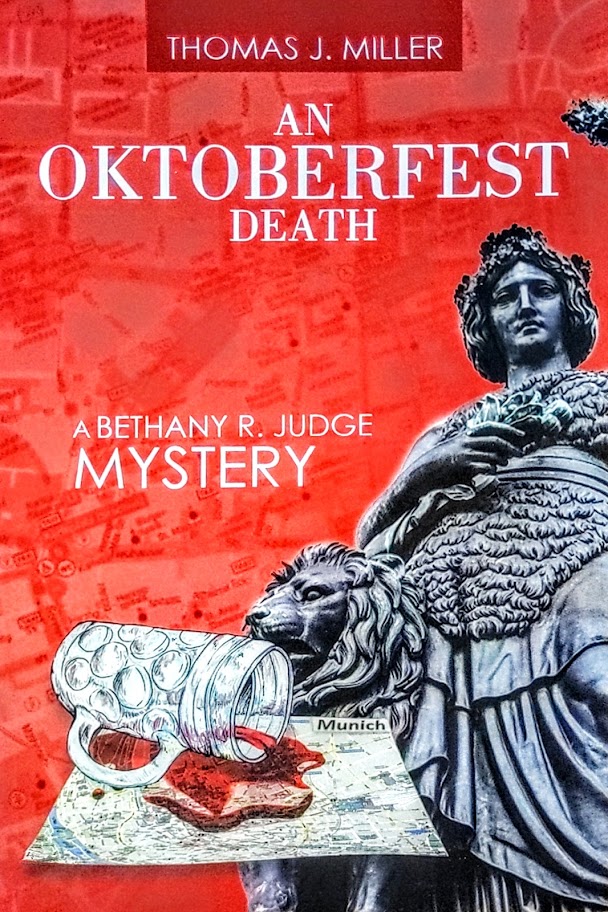
In my novel, “An Oktoberfest Death,” the fictional Master Cicerone Bethany R. Judge sets off on a journey to Munich in order to taste the highest quality Bavarian beers. During a stay that is soured by lots of death and international intrigue, Bethany still finds time to refine her palate with an overabundance of Helles, Dunkel, Hefeweizen, and Oktoberfest beers.
Funny thing, though, is that she never stumbled upon a Kellerbier.
After publishing the novel, I got to wondering what Bethany had missed out on during her misadventures in Munich and Garmisch, so I set off to make a Kellerbier that her refined palate would praise.
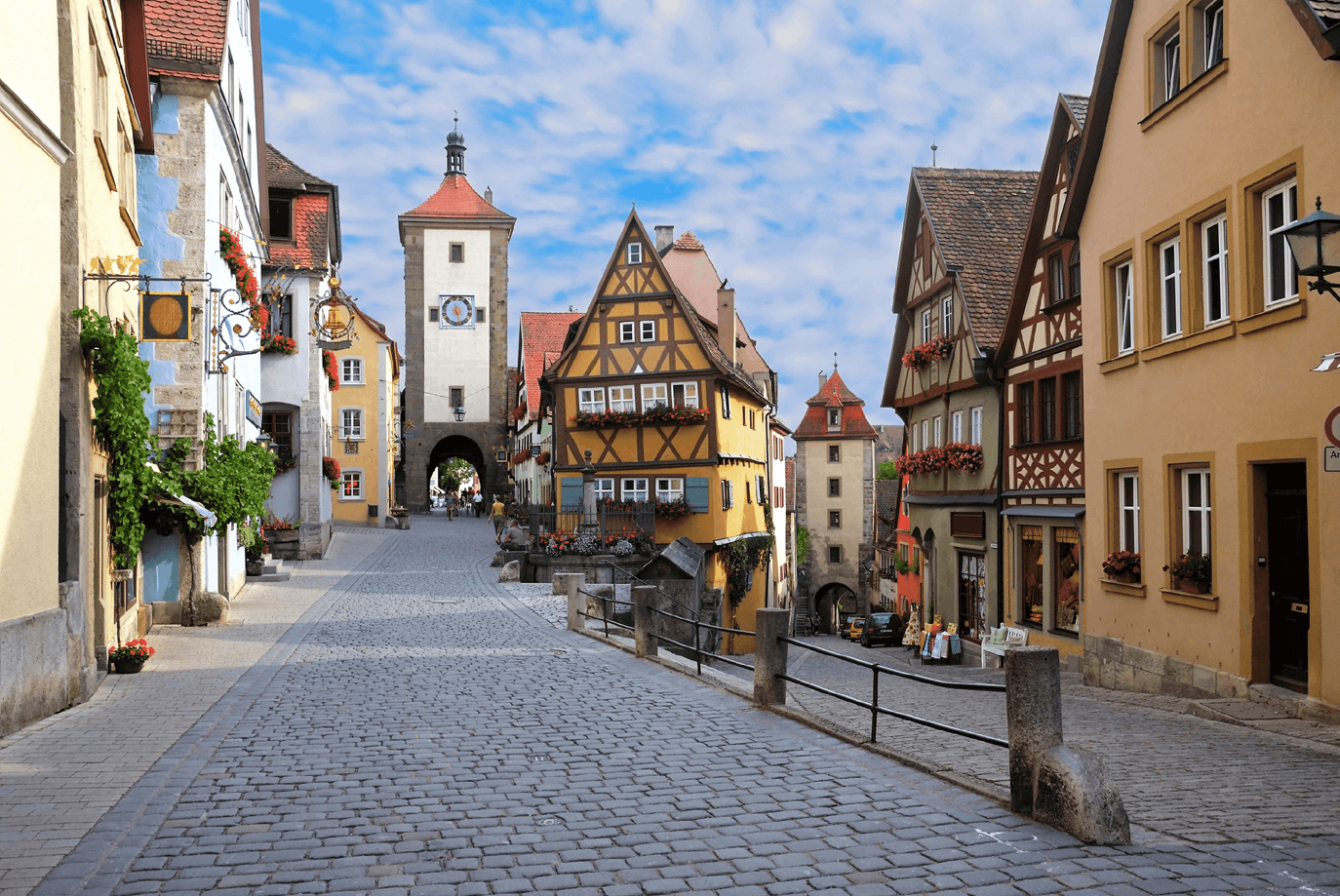
The Kellerbier style is not a style you hear about too much in the United States, but that does not mean it lacks a storied past. Beer historians tell us this style originated in the Franconia region of Germany, just to the north of Bavaria, with a background dating to the Middle Ages and the very start of lagering beer. Back in those days the concept of refrigeration was still several centuries away, so brewers would make beer in the cooler months and then store barrels inside cool caves. These caves served as natural cellars, allowing the beer to mature slowly at low temperatures.
Kellerbier is literally translated as “cellar beer” and speaks to the traditional technique noted above. On top of that, brewers learned to condition their beer in unsealed casks, which allowed carbon dioxide to escape out the bung hole. Only in the waning days of secondary fermentation would they seal the hole, allowing the beer to naturally carbonate in the barrel. Because it was unfiltered, the beer would have been cloudy from yeast, nutrients, and other brewing by-products.
That sounds a lot like the homebrewed beer we all make today!
A version of Kellerbier that has made its way into the American craft beer scene is Zwickelbier. Perhaps best illustrated in the craft beer scene by the St. Louis-based Urban Chestnut, traditional Zwickelbier tends to be younger, lighter, less hoppy, and more heavily carbonated thanks to the method of closing up the barrel bung near the end of primary fermentation.
The Beer Judge Certification Program classifies Kellerbier and its substyles as an Amber European Beer, though the modern version of the beer that has gained popularity outside of Franconia is more pale in color, similar to a Bavarian Helles. In brewing competitions it is possible to enter a pale version of a Kellerbier into the Amber European Beer category if the brewer specifically declares the entry is, in fact, pale.
Building an Award Winning Kellerbier
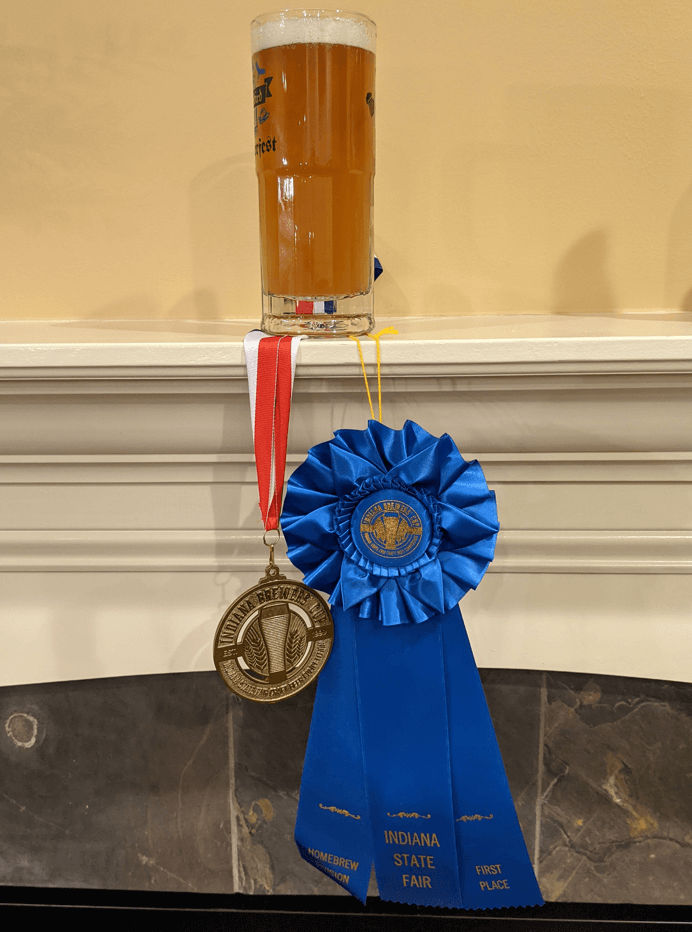
My “Summer 2021 Pale Kellerbier” won first place in the Amber European Beer category at the 2021 Indiana Brewers’ Cup, and earned me a coveted Blue Ribbon from the Indiana State Fair. The winning recipe was the result of some side-by-side brewing experimentations that employed different malt bills, slight variations in hopping techniques, and two different Imperial Yeast Bavarian lager strains. For the purpose of this article, I am sharing two of those experiments and their subsequent recipes.
It seems there are endless options when it comes to grain these days, but to get as authentic as possible for a Kellerbier you should look no further than German malt. The Kellerbier style made it interesting to experiment among the different grains available to homebrewers. In my different attempts, I went in search of the best base malts to accentuate the youthful characteristics intrinsic to the style. As you will note in the malt bills below, in these recipes and others I followed a strict percentage calculation for the malt bills of 86.27% for the Pilsner base malt, 10.59% for Vienna malt, and then always 1.57% of Best Malz Carahell and 1.57% Weyermann Acid malt. So, ultimately, I was searching for that perfect Pilsner malt/Vienna malt combination to create my Kellerbier.
For the two examples referenced in this article, in the first batch I used Weyermann Barke Pilsner (86.27%) malt blended with Weyermann Barke Vienna malt (10.59%), Best Malz Carahell (1.57%) and Weyermann Acid Malt (1.57%). Barke malt is malty and delicious, so I was pretty excited for the outcome. The Weyermann website says it best about this line of malts - “Barke brings with it the best conditions for an intense malt taste in the beer.” That proved more than true in this first recipe. The two largest malt additions produced a delicious beer, though the flavors tended to come across more robustly than the Kellerbier style demands, sending the beer down the path of a classic Bavarian Exportbier.
Forming the second malt bill were Best Malz German Pilsner malt (86.27%) blended with Avangard Vienna malt (10.59%), Best Malz Carahell (1.57%) and Weyermann Acid Malt (1.57%). The Best Malz website describes their Pilsner malt as giving “beer a fresh and rounded taste,” forming “an excellent ‘light’ and enzymatic rich foundation.” Combined with the light, biscuity characteristics from the slightly less robust Avangard Vienna malt, this malt bill yielded superior results for the Kellerbier style, with the resulting beer more sprightly, youthful, and “cellar-like” in its presentation to the palate.
When it comes to hops, there are every kind of varieties available to brewers these days, but tradition precludes a true Kellerbier from straying down the path of those varietals that are more akin to New World brewing. Instead, focus on noble hop varieties such as Tettnang or Hallertau, targeting IBUs between 20-35.
With my “Barke” heavy beer, I employed the “first wort hopping” technique by adding a small amount - 0.5 ounces - of Hallertau hops as the wort was being sparged. In this pre-boil status, the hops still release all of their important oils and resins, but by allowing the hops to steep in this fashion the oils can convert to more soluble compounds, providing them the opportunity to add superior hop complexity to the finished beer. Once full boil was achieved, I added 2.0 ounces of Hallertau pellets and boiled for 90 minutes. As a finishing touch during whirlpool, I put a small amount of homegrown and dried Hallertau leaf hops in a muslin bag and allowed them to steep for several minutes before removing. As a whole, this hopping schedule lent itself well to the Barke malts, giving deep backbone to a beer recipe that I will continue to develop for what I hope will become an award-winning Exportbier.
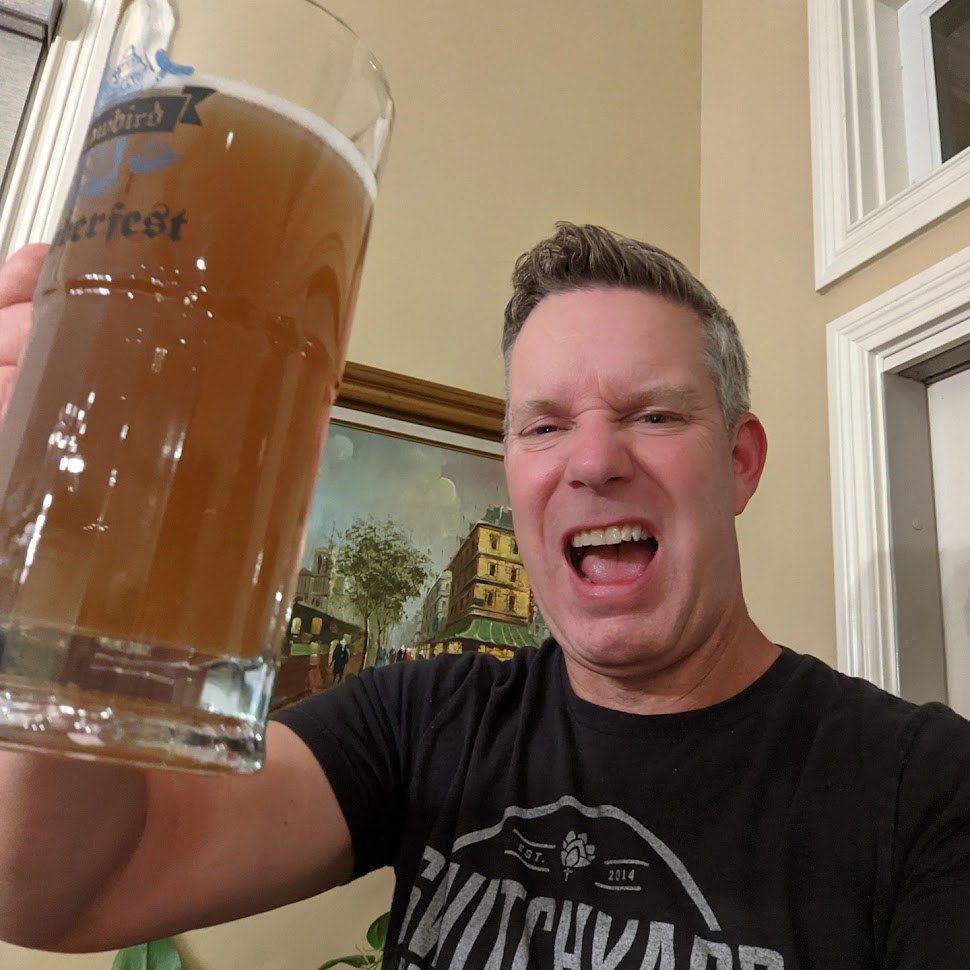
By contrast, the “Best Malz” recipe and ultimate award winner showcased a deceptively simple hopping schedule that married beautifully to the blend of malts highlighted above. The bittering addition of Hallertau pellets was boiled for 90 minutes, and then a small (0.5 ounces) batch of pellets was tossed into the kettle after chilling the wort to pitching temperature. The wort was then whirlpooled and given ten minutes for the cold break material to fall to the center of the brew kettle, at which time it was transferred to the fermenter and the yeast was pitched.
Imperial Yeast makes a great product. When it comes to knowing you have enough lager yeast to confidently pitch a five-gallon batch, there is no better alternative. In the “Barke” beer I employed Imperial L17 Harvest and for the “Best Malz” beer I used the Imperial L13 Global.
I fermented these batches side-by-side at 50 degrees for eight days, then increased the temperature to 56 degrees for three days, 60 degrees for two days, and 65 degrees for three days as a final diacetyl rest.
Admittedly, I have a soft spot for the L17 Harvest because that yeast originates, reportedly, from Munich’s Augustiner Brau. This historic and incredible Munich brewery is, by all accounts, the favorite of Munich’s residents and has a reputation that spans the world. But, more importantly, the Augustiner Brau plays an important role in my novel, “An Oktoberfest Death,” because workers at the brewery are suffering mysterious and untimely deaths, and our protagonist Bethany R. Judge gets caught up in the web of intrigue that threatens not only Munich but also the world. Bethany, sadly, is just in Munich to drink beer but, somehow, she just can’t stay out of trouble.
Augustiner Brau also happens to brew what many consider the pinnacle of Munich-style export lagers, Edelstoff. That makes the L17 yeast selection perfectly suited for the malt bill and hopping schedule of the “Barke” beer. L17 contributes outstanding flocculation characteristics with low sulfur and low diacetyl and was the final touch to make the “Barke” recipe far less of a Kellerbier, and much more of an Exportbier.
L13 Global, by contrast, comes from the world famous Weihenstephan brewery located just outside of Munich. The yeast is described on the Imperial website as being “the world’s most popular lager strain” known for producing “clean, bright and crispy lager beers with a very low ester profile.” As promising as that all sounds for the lager brewer, the L13 also comes with the caveat that it is “extremely powdery, so long lagering times or filtration is required for bright beer.”
But, as it turns out, that powdery characteristic is a boon for the Kellerbier brewer. Remember the origin of the beer, as described at the outset of this article? That, traditionally, Kellerbier was served unfiltered from the barrel? Do you think those beers were crystal clear, like today’s filtered lagers? Of course not! My experiment clearly demonstrated that the L13 Global yeast, when fermented carefully under controlled temperatures, was the clear winner for the Kellerbier style.
As a final note, before you even get to the malt bill or the hopping schedule or the yeast, you need to think about your water. After all, as the Bavarian Purity Law instructs us, beer should consist of only water, barley, hops, and yeast. And water is first on the list because beer is 90 to 95 percent water!
Sadly, most municipal water these days is pretty suspect when it comes to beer brewing. My approach is to get off on the right foot with Reverse Osmosis water, either by installing an R/O system at your residence or procuring the gallons needed for the batch size you plan to brew. At thirty-nine cents per gallon from my local grocery store, I choose the latter course of action.
Reverse Osmosis water lets you start with a clean slate. After that, when it comes to water and pH, I employ a Charlie Papazian mindset to my homebrewing, meaning I try to “relax, don’t worry, and have a homebrew.” In other words, I don’t get too bent out of shape about this whole part of the hobby.
For Kellerbier (and my “Barke” Exportbier), I made a simple addition of Calcium Chloride to support the beer characteristics for which I was shooting. Recommendations vary a bit, but I settled on 2.9 - 3.0 grams of CaCl2 into 8.5 gallons of R/O water. The acidulated malt is added into the malt bill to help lower the mash pH, but I considered it unnecessary to track pH during either brew session.
There is plenty of debate about whether German malts require step mashing, or if a single temperature infusion mash would suffice. That’s an experiment for another time, but for these two brews I held to some degree of tradition and put the step mash to work. You might consider a protein rest for 10-15 minutes at about 122 degrees if you fear your pilsner malt is undermodified, but I felt confident enough to avoid that step, instead mashing in for both batches to target a 10 minute mash recirculation at 140 degrees. This is the lowest end of alpha-amylase production within the brewers window, so the focus is upon good beta-amylase production and the front end of establishing strong fermentability characteristics. I also use this step for establishing the mash bed for recirculation.
After 10 minutes, tweak the temperature to 145 degrees for 20-25 minutes. Again, you are focusing on beta-amylase and fermentability, but are now starting to catch the attention of the alpha-amylase enzymes, in preparation of the next step.
After sitting at 145 degrees for 20-25 minutes, increase the mash temperature to 152 degrees. This is square in the center of the brewers window and exactly the point of intersection between the beta and alpha-amylase enzymes doing their work. Fermentability is on the decline during this stage of sugar production, while dextrin production is on the upswing. After 30 minutes at 152 degrees, bump the temperature to 162 degrees, allowing the alpha-amylase to complete their work, with the goal of a nice mouthfeel in the finished beer. The temperature climb from 152 to 162 degrees should take about ten minutes depending on your homebrewing setup, so there is not much need to hang at 162 degrees for more than a few extra minutes. After that, mash out at 170 degrees, sparge, and boil.
I have provided the recipes below for the two beers described above - the “Barke” Exportbier and the award winning “Best Malz” Kellerbier. While the brew day experiment was to chase down a Kellerbier recipe that would make Bethany R. Judge proud, the result was that I created an excellent foundation for future Exportbier batches and a Kellerbier that surpassed the competition!
For readers interested in my novel and others to come in the Bethany R. Judge series, you can visit my author website at www.thomasjmillerauthor.com. Signed copies of “An Oktoberfest Death” are now available. You can also click the hot links in the article to order a copy of the novel - in paperback or Kindle format - from Amazon.
Bethany's Favorite Exportbier
BREW SHEET · BEERXML
Bethany's Favorite Exportbier
Amber Kellerbier
Download BeerXML- Batch
- 5.00 gal
- OG
- 1.046
- FG
- 1.010
- ABV
- 4.7%
- IBU
- 28.4
- Boil
- 90 min
Fermentables
| Ingredient | Amount | Details |
|---|---|---|
| Barke Pilsner (Weyermann) | 8 lbs | Grain |
| Barke Vienna Malt (Weyermann) | 1 lbs | Grain |
| Acidulated (Weyermann) | 2.3 oz | Grain |
| Carahell (Weyermann) | 2.3 oz | Grain |
Hops
| Ingredient | Amount | Addition |
|---|---|---|
| Hallertauer Mittelfrueh | 0.50 oz | First Wort · 90.0 min · 2.8% alpha acid |
| Hallertauer Mittelfrueh | 2.00 oz | Boil · 90.0 min · 2.8% alpha acid |
| Hallertauer Mittelfrueh | 0.60 oz | Aroma · 15.0 min · 2.8% alpha acid |
Yeast
| Ingredient | Amount | Details |
|---|---|---|
| Harvest | 0.00 ml | Imperial Yeast · L17 |
Mash schedule
- Protein Rest · 140.0 F · 10 min · 10.91 L infusion
- Saccharification · 145.0 F · 25 min · 0 L infusion
- Mash Step · 152.0 F · 30 min · 0 L infusion
- Mash Step · 162.0 F · 5 min · 0 L infusion
- Mash Out · 170.0 F · 10 min · 0 L infusion
Fermentation
- Primary: 8 days at 10 °C
- Secondary: 7 days at 13.3 °C
- Tertiary: 3 days
Full technical details
Original export fields, ingredient specifications, water, style and equipment.
Fermentables
Barke Pilsner (Weyermann)
- Name
- Barke Pilsner (Weyermann)
- Type
- Grain
- Amount (kg / L for liquids)
- 3.6084460
- Yield
- 82.2300000
- Color (SRM)
- 1.7000000
- Add after boil
- FALSE
- Origin
- Germany
- Supplier
- Weyermann
- Notes
- Pilsner base malt for all pilsners, lagers. Highly modified malt.
- Coarse fine diff
- 1.2000000
- Moisture
- 4.4000000
- Diastatic power
- 110.0000000
- Protein
- 10.9000000
- Max in batch
- 100.0000000
- Recommend mash
- TRUE
- Ibu gal per lb
- 0.0000000
- Display amount
- 8 lbs
- Inventory
- 0.0 oz
- Potential
- 1.0378258
- Display color
- 1.7 SRM
- Extract substitute
- Pilsner Liquid Extract
Barke Vienna Malt (Weyermann)
- Name
- Barke Vienna Malt (Weyermann)
- Type
- Grain
- Amount (kg / L for liquids)
- 0.4428547
- Yield
- 82.2300000
- Color (SRM)
- 3.0000000
- Add after boil
- FALSE
- Origin
- Germany
- Supplier
- Weyermann
- Notes
- Vienna base malt - used in many continental beer styles. Full bodied, golden color.
- Coarse fine diff
- 1.8000000
- Moisture
- 3.7000000
- Diastatic power
- 50.0000000
- Protein
- 10.9000000
- Max in batch
- 100.0000000
- Recommend mash
- TRUE
- Ibu gal per lb
- 0.0000000
- Display amount
- 1 lbs
- Inventory
- 0.0 oz
- Potential
- 1.0378258
- Display color
- 3.0 SRM
- Extract substitute
- Pale Liquid Extract
Acidulated (Weyermann)
- Name
- Acidulated (Weyermann)
- Type
- Grain
- Amount (kg / L for liquids)
- 0.0656081
- Yield
- 65.2000000
- Color (SRM)
- 1.8000000
- Add after boil
- FALSE
- Origin
- Germany
- Supplier
- Weyermann
- Notes
- Used in Germany to lower PH levels without resorting to chemicals. Lowers mash pH levels, lightens color, improves flavor stability.
- Coarse fine diff
- 1.5000000
- Moisture
- 4.0000000
- Diastatic power
- 0.0000000
- Protein
- 0.0000000
- Max in batch
- 10.0000000
- Recommend mash
- TRUE
- Ibu gal per lb
- 0.0000000
- Display amount
- 2.3 oz
- Inventory
- 0.0 oz
- Potential
- 1.0299920
- Display color
- 1.8 SRM
- Extract substitute
- Pale Liquid Extract
Carahell (Weyermann)
- Name
- Carahell (Weyermann)
- Type
- Grain
- Amount (kg / L for liquids)
- 0.0656081
- Yield
- 75.7400000
- Color (SRM)
- 13.0000000
- Add after boil
- FALSE
- Origin
- Germany
- Supplier
- Weyermann
- Notes
- Light colored caramel malt. Adds body, color and aroma. Use up to 30% in low alcohol beers
- Coarse fine diff
- 1.5000000
- Moisture
- 6.7000000
- Diastatic power
- 0.0000000
- Protein
- 0.0000000
- Max in batch
- 30.0000000
- Recommend mash
- FALSE
- Ibu gal per lb
- 0.0000000
- Display amount
- 2.3 oz
- Inventory
- 0.0 oz
- Potential
- 1.0348404
- Display color
- 13.0 SRM
Hops
Hallertauer Mittelfrueh
- Name
- Hallertauer Mittelfrueh
- Origin
- Germany
- Alpha acid (%)
- 2.8000000
- Amount (kg / L for liquids)
- 0.0141748
- Use
- First Wort
- Time (min)
- 90.0000000
- Notes
- Used for: Continental Lagers, German Ales/Lagers, US Lagers Aroma: Pleasant, assertive, mild herbal aroma Substitutes: Hallertauer, Mt. Hood, Liberty, Crystal Examples: Sam Adams Boston Lager, Sam Adams Boston Lightship
- Type
- Aroma
- Form
- Pellet
- Beta
- 4.6000000
- Hsi
- 45.0000000
- Display amount
- 0.50 oz
- Inventory
- 0.00 oz
- Display time
- 90.0 min
Hallertauer Mittelfrueh
- Name
- Hallertauer Mittelfrueh
- Origin
- Germany
- Alpha acid (%)
- 2.8000000
- Amount (kg / L for liquids)
- 0.0566990
- Use
- Boil
- Time (min)
- 90.0000000
- Notes
- Used for: Continental Lagers, German Ales/Lagers, US Lagers Aroma: Pleasant, assertive, mild herbal aroma Substitutes: Hallertauer, Mt. Hood, Liberty, Crystal Examples: Sam Adams Boston Lager, Sam Adams Boston Lightship
- Type
- Aroma
- Form
- Pellet
- Beta
- 4.6000000
- Hsi
- 45.0000000
- Display amount
- 2.00 oz
- Inventory
- 0.00 oz
- Display time
- 90.0 min
Hallertauer Mittelfrueh
- Name
- Hallertauer Mittelfrueh
- Origin
- Germany
- Alpha acid (%)
- 2.8000000
- Amount (kg / L for liquids)
- 0.0170097
- Use
- Aroma
- Time (min)
- 15.0000000
- Notes
- Used for: Continental Lagers, German Ales/Lagers, US Lagers Aroma: Pleasant, assertive, mild herbal aroma Substitutes: Hallertauer, Mt. Hood, Liberty, Crystal Examples: Sam Adams Boston Lager, Sam Adams Boston Lightship
- Type
- Aroma
- Form
- Pellet
- Beta
- 4.6000000
- Hsi
- 45.0000000
- Display amount
- 0.60 oz
- Inventory
- 0.00 oz
- Display time
- 15.0 min
Yeast
Harvest
- Name
- Harvest
- Type
- Lager
- Form
- Liquid
- Amount (kg / L for liquids)
- 0.0000000
- Amount is weight
- FALSE
- Laboratory
- Imperial Yeast
- Product id
- L17
- Min temperature
- 10.0000000
- Max temperature
- 15.5555556
- Flocculation
- Medium
- Attenuation (%)
- 72.0000000
- Notes
- This strain combines good flocculation characteristics with low sulfur and low diacetyl. Clean fermentations produce amazing bock, helles, pilsner, dunkles, and just about any other lager style you throw its way.
- Max reuse
- 5
- Times cultured
- 0
- Add to secondary
- FALSE
- Display amount
- 0.00 ml
- Disp min temp
- 50.0 F
- Disp max temp
- 60.0 F
- Inventory
- 0.0 pkg
- Culture date
- 26 Jun 2017
Mash
- Name
- Thomas Miller Step Mash
- Grain temp
- 22.2222222
- Tun temp
- 22.2222222
- Sparge temp
- 75.5555556
- Ph
- 5.2000000
- Tun weight
- 64.0000000
- Tun specific heat
- 0.3000000
- Equip adjust
- FALSE
- Notes
- Two step profile with a protein rest for mashes with unmodified grains or adjuncts. Temperature mash for use when mashing in a brew pot over a heat source such as the stove. Use heat to maintain desired temperature during the mash.
- Display grain temp
- 72.0 F
- Display tun temp
- 72.0 F
- Display sparge temp
- 168.0 F
- Display tun weight
- 4 lbs
Protein Rest
- Name
- Protein Rest
- Type
- Infusion
- Infusion water (L)
- 10.9078204
- Step time (min)
- 10.0000000
- Step temperature (°C)
- 60.0000000
- Ramp time
- 2.0000000
- End temp
- 60.0000000
- Description
- Add 11.53 qt of water at 149.9 F
- Water grain ratio
- 1.250 qt/lb
- Decoction amt
- 0.00 qt
- Infuse temp
- 149.9 F
- Display step temp
- 140.0 F
- Display infuse amt
- 11.53 qt
Saccharification
- Name
- Saccharification
- Type
- Temperature
- Infusion water (L)
- 0.0000000
- Step time (min)
- 25.0000000
- Step temperature (°C)
- 62.7777778
- Ramp time
- 15.0000000
- End temp
- 62.7777778
- Description
- Heat to 145.0 F over 15 min
- Water grain ratio
- 1.250 qt/lb
- Decoction amt
- 0.00 qt
- Infuse temp
- 145.0 F
- Display step temp
- 145.0 F
- Display infuse amt
- 0.00 qt
Mash Step
- Name
- Mash Step
- Type
- Temperature
- Infusion water (L)
- 0.0000000
- Step time (min)
- 30.0000000
- Step temperature (°C)
- 66.6666667
- Ramp time
- 4.0000000
- End temp
- 66.6666667
- Description
- Heat to 152.0 F over 4 min
- Water grain ratio
- 1.250 qt/lb
- Decoction amt
- 0.00 qt
- Infuse temp
- 152.0 F
- Display step temp
- 152.0 F
- Display infuse amt
- 0.00 qt
Mash Step
- Name
- Mash Step
- Type
- Temperature
- Infusion water (L)
- 0.0000000
- Step time (min)
- 5.0000000
- Step temperature (°C)
- 72.2222222
- Ramp time
- 4.0000000
- End temp
- 72.2222222
- Description
- Heat to 162.0 F over 4 min
- Water grain ratio
- 1.250 qt/lb
- Decoction amt
- 0.00 qt
- Infuse temp
- 162.0 F
- Display step temp
- 162.0 F
- Display infuse amt
- 0.00 qt
Mash Out
- Name
- Mash Out
- Type
- Temperature
- Infusion water (L)
- 0.0000000
- Step time (min)
- 10.0000000
- Step temperature (°C)
- 76.6666667
- Ramp time
- 10.0000000
- End temp
- 76.6666667
- Description
- Heat to 170.0 F over 10 min
- Water grain ratio
- 1.250 qt/lb
- Decoction amt
- 0.00 qt
- Infuse temp
- 170.0 F
- Display step temp
- 170.0 F
- Display infuse amt
- 0.00 qt
Recipe details & fermentation
- Name
- Bethany's Favorite Exportbier
- Type
- All Grain
- Brewer
- Thomas Miller
- Batch size (L)
- 18.9271680
- Boil size (L)
- 25.7393712
- Boil time (min)
- 90.0000000
- Efficiency (%)
- 72.0000000
- Taste rating
- 30.0000000
- Original gravity
- 1.0460000
- Final gravity
- 1.0100000
- Carbonation
- 2.5000000
- Fermentation stages
- 3
- Primary duration (days)
- 8.0000000
- Primary temperature (°C)
- 10.0000000
- Secondary duration (days)
- 7.0000000
- Secondary temperature (°C)
- 13.3333333
- Tertiary duration (days)
- 3.0000000
- Conditioning duration (days)
- 28.0000000
- Conditioning temperature (°C)
- 0.5555556
- Carbonation used
- Keg with 14.89 PSI
- Forced carbonation
- FALSE
- Priming sugar name
- Forced Carbonation
- Priming sugar equiv
- 1.0000000
- Keg priming factor
- 0.5000000
- Carbonation temp
- 7.2222222
- Display carb temp
- 45.0 F
- Date
- 22 Aug 2021
- Est og
- 1.050 SG
- Est fg
- 1.013 SG
- Est color
- 3.3 SRM
- IBU
- 28.4 IBUs
- Ibu method
- Tinseth
- Est abv
- 4.8 %
- ABV (%)
- 4.7 %
- Actual efficiency
- 66.2 %
- Calories
- 151.6 kcal/12oz
- Display batch size
- 5.00 gal
- Display boil size
- 6.80 gal
- Display og
- 1.046 SG
- Display fg
- 1.010 SG
- Display primary temp
- 50.0 F
- Display secondary temp
- 56.0 F
- Display tertiary temp
- 65.0 F
- Display age temp
- 33.0 F
Style details
- Name
- Amber Kellerbier
- Category
- Amber Bitter European Beer
- Category number
- 7
- Style letter
- C
- Style guide
- BJCP 2015
- Type
- Lager
- Og min
- 1.0480000
- Og max
- 1.0540000
- Fg min
- 1.0120000
- Fg max
- 1.0160000
- Ibu min
- 25.0000000
- Ibu max
- 40.0000000
- Color min
- 7.0000000
- Color max
- 17.0000000
- Carb min
- 2.5000000
- Carb max
- 3.0000000
- Abv max
- 5.4000000
- Abv min
- 4.8000000
- Notes
- The original style of Kellerbier from the Franconia area of Germany. A much older style compared to the relatively more recent pale Helles-Style Kellerbier that is popular in the Munich area today. A young, unfiltered, and unpasteurized beer that is between a Helles and Märzen in color, spicier in the hops with greater attenuation. Interpretations range in color and balance, but remain in the drinkable 4.8% ABV neighborhood. Balance ranges from the dry, spicy and pale-colored interpretations by St. Georgen and Löwenbräu of Buttenheim, to darker and maltier interpretations in the Fränkische Schweiz. This style is above all a method of producing simple drinkable beers for neighbors out of local ingredients to be served fresh. Balance with a focus on drinkability and digestibility is important. Entry Instructions: The entrant must specify whether the entry is a Pale Kellerbier (based on Helles) or an Amber Kellerbier (based on Märzen). The entrant may specify another type of Kellerbier based on other base styles such as Pils, Bock, Schwarzbier, but should supply a style description for judges. History: This was the classic, historical style before it was adapted in other areas. This original, older style of Kellerbier would have simply been beer served from local taverns that did not lager long enough to drop bright. Many breweries in Franconia would use some of this young beer during the summer months, for festivals such as the Annafest (est. 1840) in July in Forchheim, where it was traditional to drink directly from the lagering vessels. Style Comparison: Most commonly, this style is a young, unfiltered, unpasteurized, hoppier version of Munich Helles or Märzen. Fränkische Schweiz versions can edge up to dark amber or brown.
- Profile
- Aroma: Moderate intensity of German malt, typically rich, bready, somewhat toasty, with light bread crust notes. Moderately-low to moderate spicy peppery hop aroma. Very low to low diacetyl, occasionally low to moderately-low sulfur and very low green apple or other yeast-derived notes. Caramel, biscuity, or roasted malt aroma is inappropriate. Appearance: Moderately cloudy to clear depending on age, but never extremely cloudy or murky. Gold to deep reddish-amber color. Off-white, creamy head. When served on cask, can have low carbonation and very low head. Flavor: Initial malt flavor may suggest sweetness, but finish is moderately dry to dry, and slightly bitter. Distinctive and complex maltiness often includes a bready-toasty aspect. Hop bitterness is moderate to moderately high, and spicy or herbal hop flavor is low to moderately high. Balance can be either on the malt or hop side, but the finish is not sweet. Noticeable caramel or roasted malt flavors are inappropriate. Very low to low diacetyl. Possible very low green apple or other yeast-derived notes. Smooth, malty aftertaste. Mouthfeel: Medium body, with a creamy texture and medium carbonation. Fully fermented, without a sweet or cloying impression. Comments: The best examples of Amber Kellerbier are served only on tap at many of the small Franconia area breweries (as this is a beer best served fresh and the serving style being an important part of the style). Bottled versions are not likely to have the freshness, hop character and young beer notes exhibited by the draft versions.
- Ingredients
- Grist varies, although traditional German versions emphasized Franconian pale and color malt. The notion of elegance is derived from the high-quality local ingredients, particularly the malts. Spalt or other typically spicy local hops are most common. Frugal Franconian brewers rarely used decoction brewing due to the cost of energy.
- Examples
- Greif, Eichhorn, Nederkeller, Hebendanz (bottled) Buttenheimer Kaiserdom Kellerbier, Kulmbacher Monchshof Kellerbier, Leikeim Kellerbier, Löwenbräu Kellerbier, Mahr’s Kellerbier, St. Georgen Kellerbier, Tucher Kellerbier Naturtrub
- Display og min
- 1.048 SG
- Display og max
- 1.054 SG
- Display fg min
- 1.012 SG
- Display fg max
- 1.016 SG
- Display color min
- 7.0 SRM
- Display color max
- 17.0 SRM
- Og range
- 1.048-1.054 SG
- Fg range
- 1.012-1.016 SG
- Ibu range
- 25.0-40.0 IBUs
- Carb range
- 2.50-3.00 Vols
- Color range
- 7.0-17.0 SRM
- Abv range
- 4.80-5.40 %
Equipment
- Name
- Pot and Cooler ( 5 Gal/19 L) - All Grain
- Boil size (L)
- 25.7393712
- Batch size (L)
- 18.9271680
- Tun volume
- 18.9271680
- Tun weight
- 1.8143680
- Tun specific heat
- 0.3000000
- Top up water
- 0.0000000
- Trub chiller loss
- 2.8390752
- Evap rate
- 7.9416631
- Boil time (min)
- 90.0000000
- Calc boil volume
- TRUE
- Lauter deadspace
- 0.9463584
- Top up kettle
- 0.0000000
- Hop utilization
- 100.0000000
- Cooling loss pct
- 4.0000000
- Notes
- Popular all grain setup. 5 Gallon cooler as mash tun with false bottom, and 7-9 gallon brewpot capable of boiling at least 6 gallons of wort without spilling over. Primarily used for single infusion mashes.
- Display boil size
- 6.80 gal
- Display batch size
- 5.00 gal
- Display tun volume
- 5.00 gal
- Display tun weight
- 4 lbs
- Display top up water
- 0.00 gal
- Display trub chiller loss
- 0.75 gal
- Display lauter deadspace
- 0.25 gal
- Display top up kettle
- 0.00 gal
Award Winning Pale Kellerbier
BREW SHEET · BEERXML
Award Winning Pale Kellerbier
Amber Kellerbier
Download BeerXML- Batch
- 5.00 gal
- OG
- 1.046
- FG
- 1.010
- ABV
- 4.7%
- IBU
- 28.7
- Boil
- 60 min
Fermentables
| Ingredient | Amount | Details |
|---|---|---|
| BEST Pilsen Malt (BESTMALZ) | 7 lbs 14.6 oz | Grain |
| Vienna Malt (Avangard) | 1 lbs | Grain |
| Acidulated (Weyermann) | 2.3 oz | Grain |
| Carahell (Weyermann) | 2.3 oz | Grain |
Hops
| Ingredient | Amount | Addition |
|---|---|---|
| Hallertauer Mittelfrueh | 2.00 oz | Boil · 90.0 min · 3.7% alpha acid |
| Hallertauer Mittelfrueh | 0.50 oz | Aroma · 15.0 min · 3.7% alpha acid |
Yeast
| Ingredient | Amount | Details |
|---|---|---|
| Global | 0.00 ml | Imperial Yeast · L13 |
Mash schedule
- Protein Rest · 140.0 F · 10 min · 10.85 L infusion
- Saccharification · 145.0 F · 25 min · 0 L infusion
- Mash Step · 152.0 F · 30 min · 0 L infusion
- Mash Step · 162.0 F · 5 min · 0 L infusion
- Mash Out · 170.0 F · 10 min · 0 L infusion
Fermentation
- Primary: 8 days at 10 °C
- Secondary: 7 days at 13.3 °C
- Tertiary: 3 days
Full technical details
Original export fields, ingredient specifications, water, style and equipment.
Fermentables
BEST Pilsen Malt (BESTMALZ)
- Name
- BEST Pilsen Malt (BESTMALZ)
- Type
- Grain
- Amount (kg / L for liquids)
- 3.5879594
- Yield
- 82.8000000
- Color (SRM)
- 1.7766497
- Add after boil
- FALSE
- Origin
- Germany
- Supplier
- BESTMALZ
- Notes
- BEST Pilsen Malt gives beer a fresh and rounded taste. It is used for all types of beers based on basically berley malt. It forms an excellent “light” and enzyme-rich foundation for almost all beer styles. Malt characteristics: low protein levels, high extract content, light color and high enzymatic activity. BEST Pilsen Malt is also available in organic quality.
- Coarse fine diff
- 1.1000000
- Moisture
- 4.5000000
- Diastatic power
- 320.0000000
- Protein
- 10.1000000
- Max in batch
- 100.0000000
- Recommend mash
- FALSE
- Ibu gal per lb
- 0.0000000
- Display amount
- 7 lbs 14.6 oz
- Inventory
- 0.0 oz
- Potential
- 1.0380880
- Display color
- 1.8 SRM
Vienna Malt (Avangard)
- Name
- Vienna Malt (Avangard)
- Type
- Grain
- Amount (kg / L for liquids)
- 0.4403405
- Yield
- 82.0000000
- Color (SRM)
- 3.0000000
- Add after boil
- FALSE
- Origin
- Germnay
- Supplier
- Avangard
- Notes
- Darker than pale malt, Vienna malt is a great base malt that contributes golden colors and biscuity, malty flavors.
- Coarse fine diff
- 1.5000000
- Moisture
- 4.0000000
- Diastatic power
- 50.0000000
- Protein
- 11.7000000
- Max in batch
- 100.0000000
- Recommend mash
- TRUE
- Ibu gal per lb
- 0.0000000
- Display amount
- 1 lbs
- Inventory
- 0.0 oz
- Potential
- 1.0377200
- Display color
- 3.0 SRM
Acidulated (Weyermann)
- Name
- Acidulated (Weyermann)
- Type
- Grain
- Amount (kg / L for liquids)
- 0.0652356
- Yield
- 65.2000000
- Color (SRM)
- 1.8000000
- Add after boil
- FALSE
- Origin
- Germany
- Supplier
- Weyermann
- Notes
- Used in Germany to lower PH levels without resorting to chemicals. Lowers mash pH levels, lightens color, improves flavor stability.
- Coarse fine diff
- 1.5000000
- Moisture
- 4.0000000
- Diastatic power
- 0.0000000
- Protein
- 0.0000000
- Max in batch
- 10.0000000
- Recommend mash
- TRUE
- Ibu gal per lb
- 0.0000000
- Display amount
- 2.3 oz
- Inventory
- 0.0 oz
- Potential
- 1.0299920
- Display color
- 1.8 SRM
- Extract substitute
- Pale Liquid Extract
Carahell (Weyermann)
- Name
- Carahell (Weyermann)
- Type
- Grain
- Amount (kg / L for liquids)
- 0.0652356
- Yield
- 75.7400000
- Color (SRM)
- 13.0000000
- Add after boil
- FALSE
- Origin
- Germany
- Supplier
- Weyermann
- Notes
- Light colored caramel malt. Adds body, color and aroma. Use up to 30% in low alcohol beers
- Coarse fine diff
- 1.5000000
- Moisture
- 6.7000000
- Diastatic power
- 0.0000000
- Protein
- 0.0000000
- Max in batch
- 30.0000000
- Recommend mash
- FALSE
- Ibu gal per lb
- 0.0000000
- Display amount
- 2.3 oz
- Inventory
- 0.0 oz
- Potential
- 1.0348404
- Display color
- 13.0 SRM
Hops
Hallertauer Mittelfrueh
- Name
- Hallertauer Mittelfrueh
- Origin
- Germany
- Alpha acid (%)
- 3.7000000
- Amount (kg / L for liquids)
- 0.0566990
- Use
- Boil
- Time (min)
- 90.0000000
- Notes
- Used for: Continental Lagers, German Ales/Lagers, US Lagers Aroma: Pleasant, assertive, mild herbal aroma Substitutes: Hallertauer, Mt. Hood, Liberty, Crystal Examples: Sam Adams Boston Lager, Sam Adams Boston Lightship
- Type
- Aroma
- Form
- Pellet
- Beta
- 4.6000000
- Hsi
- 45.0000000
- Display amount
- 2.00 oz
- Inventory
- 0.00 oz
- Display time
- 90.0 min
Hallertauer Mittelfrueh
- Name
- Hallertauer Mittelfrueh
- Origin
- Germany
- Alpha acid (%)
- 3.7000000
- Amount (kg / L for liquids)
- 0.0141748
- Use
- Aroma
- Time (min)
- 15.0000000
- Notes
- Used for: Continental Lagers, German Ales/Lagers, US Lagers Aroma: Pleasant, assertive, mild herbal aroma Substitutes: Hallertauer, Mt. Hood, Liberty, Crystal Examples: Sam Adams Boston Lager, Sam Adams Boston Lightship
- Type
- Aroma
- Form
- Pellet
- Beta
- 4.6000000
- Hsi
- 45.0000000
- Display amount
- 0.50 oz
- Inventory
- 0.00 oz
- Display time
- 15.0 min
Yeast
Global
- Name
- Global
- Type
- Lager
- Form
- Liquid
- Amount (kg / L for liquids)
- 0.0000000
- Amount is weight
- FALSE
- Laboratory
- Imperial Yeast
- Product id
- L13
- Min temperature
- 7.7777778
- Max temperature
- 13.3333333
- Flocculation
- Low
- Attenuation (%)
- 75.0000000
- Notes
- The world’s most popular lager strain is ready for you. Global is an all-around solid lager strain that produces clean beers with a very low ester profile. This strain is very powdery, so long lagering times or filtration is required for bright beer.
- Max reuse
- 5
- Times cultured
- 0
- Add to secondary
- FALSE
- Display amount
- 0.00 ml
- Disp min temp
- 46.0 F
- Disp max temp
- 56.0 F
- Inventory
- 0.0 pkg
- Culture date
- 26 Jun 2017
Mash
- Name
- Thomas Miller Step Mash
- Grain temp
- 22.2222222
- Tun temp
- 22.2222222
- Sparge temp
- 75.5555556
- Ph
- 5.2000000
- Tun weight
- 64.0000000
- Tun specific heat
- 0.3000000
- Equip adjust
- FALSE
- Notes
- Two step profile with a protein rest for mashes with unmodified grains or adjuncts. Temperature mash for use when mashing in a brew pot over a heat source such as the stove. Use heat to maintain desired temperature during the mash.
- Display grain temp
- 72.0 F
- Display tun temp
- 72.0 F
- Display sparge temp
- 168.0 F
- Display tun weight
- 4 lbs
Protein Rest
- Name
- Protein Rest
- Type
- Infusion
- Infusion water (L)
- 10.8458923
- Step time (min)
- 10.0000000
- Step temperature (°C)
- 60.0000000
- Ramp time
- 2.0000000
- End temp
- 60.0000000
- Description
- Add 11.46 qt of water at 149.9 F
- Water grain ratio
- 1.250 qt/lb
- Decoction amt
- 0.00 qt
- Infuse temp
- 149.9 F
- Display step temp
- 140.0 F
- Display infuse amt
- 11.46 qt
Saccharification
- Name
- Saccharification
- Type
- Temperature
- Infusion water (L)
- 0.0000000
- Step time (min)
- 25.0000000
- Step temperature (°C)
- 62.7777778
- Ramp time
- 15.0000000
- End temp
- 62.7777778
- Description
- Heat to 145.0 F over 15 min
- Water grain ratio
- 1.250 qt/lb
- Decoction amt
- 0.00 qt
- Infuse temp
- 145.0 F
- Display step temp
- 145.0 F
- Display infuse amt
- 0.00 qt
Mash Step
- Name
- Mash Step
- Type
- Temperature
- Infusion water (L)
- 0.0000000
- Step time (min)
- 30.0000000
- Step temperature (°C)
- 66.6666667
- Ramp time
- 4.0000000
- End temp
- 66.6666667
- Description
- Heat to 152.0 F over 4 min
- Water grain ratio
- 1.250 qt/lb
- Decoction amt
- 0.00 qt
- Infuse temp
- 152.0 F
- Display step temp
- 152.0 F
- Display infuse amt
- 0.00 qt
Mash Step
- Name
- Mash Step
- Type
- Temperature
- Infusion water (L)
- 0.0000000
- Step time (min)
- 5.0000000
- Step temperature (°C)
- 72.2222222
- Ramp time
- 4.0000000
- End temp
- 72.2222222
- Description
- Heat to 162.0 F over 4 min
- Water grain ratio
- 1.250 qt/lb
- Decoction amt
- 0.00 qt
- Infuse temp
- 162.0 F
- Display step temp
- 162.0 F
- Display infuse amt
- 0.00 qt
Mash Out
- Name
- Mash Out
- Type
- Temperature
- Infusion water (L)
- 0.0000000
- Step time (min)
- 10.0000000
- Step temperature (°C)
- 76.6666667
- Ramp time
- 10.0000000
- End temp
- 76.6666667
- Description
- Heat to 170.0 F over 10 min
- Water grain ratio
- 1.250 qt/lb
- Decoction amt
- 0.00 qt
- Infuse temp
- 170.0 F
- Display step temp
- 170.0 F
- Display infuse amt
- 0.00 qt
Recipe details & fermentation
- Name
- Award Winning Pale Kellerbier
- Type
- All Grain
- Brewer
- Thomas Miller
- Batch size (L)
- 18.9271680
- Boil size (L)
- 24.7173041
- Boil time (min)
- 60.0000000
- Efficiency (%)
- 72.0000000
- Taste rating
- 30.0000000
- Original gravity
- 1.0460000
- Final gravity
- 1.0100000
- Carbonation
- 2.5000000
- Fermentation stages
- 3
- Primary duration (days)
- 8.0000000
- Primary temperature (°C)
- 10.0000000
- Secondary duration (days)
- 7.0000000
- Secondary temperature (°C)
- 13.3333333
- Tertiary duration (days)
- 3.0000000
- Conditioning duration (days)
- 28.0000000
- Conditioning temperature (°C)
- 0.5555556
- Carbonation used
- Keg with 14.89 PSI
- Forced carbonation
- FALSE
- Priming sugar name
- Forced Carbonation
- Priming sugar equiv
- 1.0000000
- Keg priming factor
- 0.5000000
- Carbonation temp
- 7.2222222
- Display carb temp
- 45.0 F
- Date
- 22 Aug 2021
- Est og
- 1.050 SG
- Est fg
- 1.012 SG
- Est color
- 3.4 SRM
- IBU
- 28.7 IBUs
- Ibu method
- Tinseth
- Est abv
- 5.0 %
- ABV (%)
- 4.7 %
- Actual efficiency
- 66.2 %
- Calories
- 151.6 kcal/12oz
- Display batch size
- 5.00 gal
- Display boil size
- 6.53 gal
- Display og
- 1.046 SG
- Display fg
- 1.010 SG
- Display primary temp
- 50.0 F
- Display secondary temp
- 56.0 F
- Display tertiary temp
- 65.0 F
- Display age temp
- 33.0 F
Style details
- Name
- Amber Kellerbier
- Category
- Amber Bitter European Beer
- Category number
- 7
- Style letter
- C
- Style guide
- BJCP 2015
- Type
- Lager
- Og min
- 1.0480000
- Og max
- 1.0540000
- Fg min
- 1.0120000
- Fg max
- 1.0160000
- Ibu min
- 25.0000000
- Ibu max
- 40.0000000
- Color min
- 7.0000000
- Color max
- 17.0000000
- Carb min
- 2.5000000
- Carb max
- 3.0000000
- Abv max
- 5.4000000
- Abv min
- 4.8000000
- Notes
- The original style of Kellerbier from the Franconia area of Germany. A much older style compared to the relatively more recent pale Helles-Style Kellerbier that is popular in the Munich area today. A young, unfiltered, and unpasteurized beer that is between a Helles and Märzen in color, spicier in the hops with greater attenuation. Interpretations range in color and balance, but remain in the drinkable 4.8% ABV neighborhood. Balance ranges from the dry, spicy and pale-colored interpretations by St. Georgen and Löwenbräu of Buttenheim, to darker and maltier interpretations in the Fränkische Schweiz. This style is above all a method of producing simple drinkable beers for neighbors out of local ingredients to be served fresh. Balance with a focus on drinkability and digestibility is important. Entry Instructions: The entrant must specify whether the entry is a Pale Kellerbier (based on Helles) or an Amber Kellerbier (based on Märzen). The entrant may specify another type of Kellerbier based on other base styles such as Pils, Bock, Schwarzbier, but should supply a style description for judges. History: This was the classic, historical style before it was adapted in other areas. This original, older style of Kellerbier would have simply been beer served from local taverns that did not lager long enough to drop bright. Many breweries in Franconia would use some of this young beer during the summer months, for festivals such as the Annafest (est. 1840) in July in Forchheim, where it was traditional to drink directly from the lagering vessels. Style Comparison: Most commonly, this style is a young, unfiltered, unpasteurized, hoppier version of Munich Helles or Märzen. Fränkische Schweiz versions can edge up to dark amber or brown.
- Profile
- Aroma: Moderate intensity of German malt, typically rich, bready, somewhat toasty, with light bread crust notes. Moderately-low to moderate spicy peppery hop aroma. Very low to low diacetyl, occasionally low to moderately-low sulfur and very low green apple or other yeast-derived notes. Caramel, biscuity, or roasted malt aroma is inappropriate. Appearance: Moderately cloudy to clear depending on age, but never extremely cloudy or murky. Gold to deep reddish-amber color. Off-white, creamy head. When served on cask, can have low carbonation and very low head. Flavor: Initial malt flavor may suggest sweetness, but finish is moderately dry to dry, and slightly bitter. Distinctive and complex maltiness often includes a bready-toasty aspect. Hop bitterness is moderate to moderately high, and spicy or herbal hop flavor is low to moderately high. Balance can be either on the malt or hop side, but the finish is not sweet. Noticeable caramel or roasted malt flavors are inappropriate. Very low to low diacetyl. Possible very low green apple or other yeast-derived notes. Smooth, malty aftertaste. Mouthfeel: Medium body, with a creamy texture and medium carbonation. Fully fermented, without a sweet or cloying impression. Comments: The best examples of Amber Kellerbier are served only on tap at many of the small Franconia area breweries (as this is a beer best served fresh and the serving style being an important part of the style). Bottled versions are not likely to have the freshness, hop character and young beer notes exhibited by the draft versions.
- Ingredients
- Grist varies, although traditional German versions emphasized Franconian pale and color malt. The notion of elegance is derived from the high-quality local ingredients, particularly the malts. Spalt or other typically spicy local hops are most common. Frugal Franconian brewers rarely used decoction brewing due to the cost of energy.
- Examples
- Greif, Eichhorn, Nederkeller, Hebendanz (bottled) Buttenheimer Kaiserdom Kellerbier, Kulmbacher Monchshof Kellerbier, Leikeim Kellerbier, Löwenbräu Kellerbier, Mahr’s Kellerbier, St. Georgen Kellerbier, Tucher Kellerbier Naturtrub
- Display og min
- 1.048 SG
- Display og max
- 1.054 SG
- Display fg min
- 1.012 SG
- Display fg max
- 1.016 SG
- Display color min
- 7.0 SRM
- Display color max
- 17.0 SRM
- Og range
- 1.048-1.054 SG
- Fg range
- 1.012-1.016 SG
- Ibu range
- 25.0-40.0 IBUs
- Carb range
- 2.50-3.00 Vols
- Color range
- 7.0-17.0 SRM
- Abv range
- 4.80-5.40 %
Equipment
- Name
- Pot and Cooler ( 5 Gal/19 L) - All Grain
- Boil size (L)
- 24.7173041
- Batch size (L)
- 18.9271680
- Tun volume
- 18.9271680
- Tun weight
- 1.8143680
- Tun specific heat
- 0.3000000
- Top up water
- 0.0000000
- Trub chiller loss
- 2.8390752
- Evap rate
- 8.2700530
- Boil time (min)
- 60.0000000
- Calc boil volume
- TRUE
- Lauter deadspace
- 0.9463584
- Top up kettle
- 0.0000000
- Hop utilization
- 100.0000000
- Cooling loss pct
- 4.0000000
- Notes
- Popular all grain setup. 5 Gallon cooler as mash tun with false bottom, and 7-9 gallon brewpot capable of boiling at least 6 gallons of wort without spilling over. Primarily used for single infusion mashes.
- Display boil size
- 6.53 gal
- Display batch size
- 5.00 gal
- Display tun volume
- 5.00 gal
- Display tun weight
- 4 lbs
- Display top up water
- 0.00 gal
- Display trub chiller loss
- 0.75 gal
- Display lauter deadspace
- 0.25 gal
- Display top up kettle
- 0.00 gal

No comments yet